Wild Hearts and Windswept Souls: Dressing for Britain's Untamed Landscapes
There's something stirring in the way British fashion is turning its gaze from city streets to wild horizons. Across the windswept moors of Yorkshire, along Cornwall's granite clifftops, through Scotland's purple-heathered highlands, a new aesthetic emerges—one that understands that dressing for Britain's untamed landscapes isn't merely about staying dry, but about becoming part of the poetry written by wind and weather.
The Brontë Revival
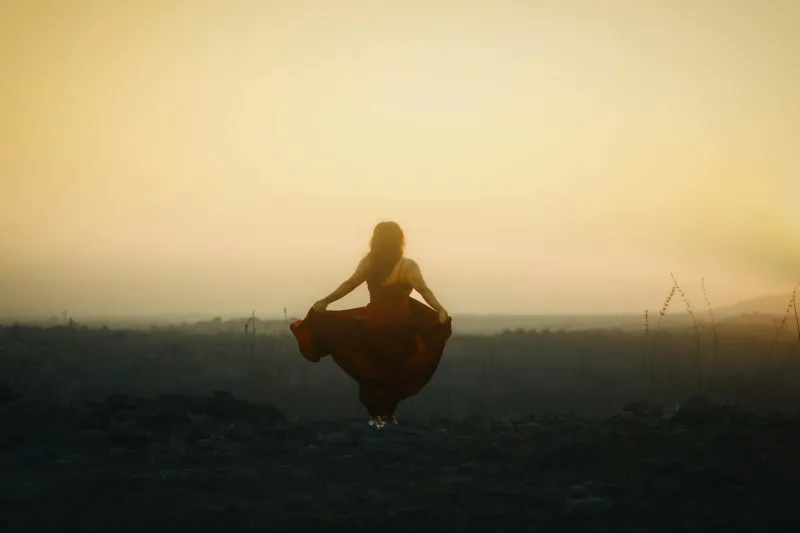
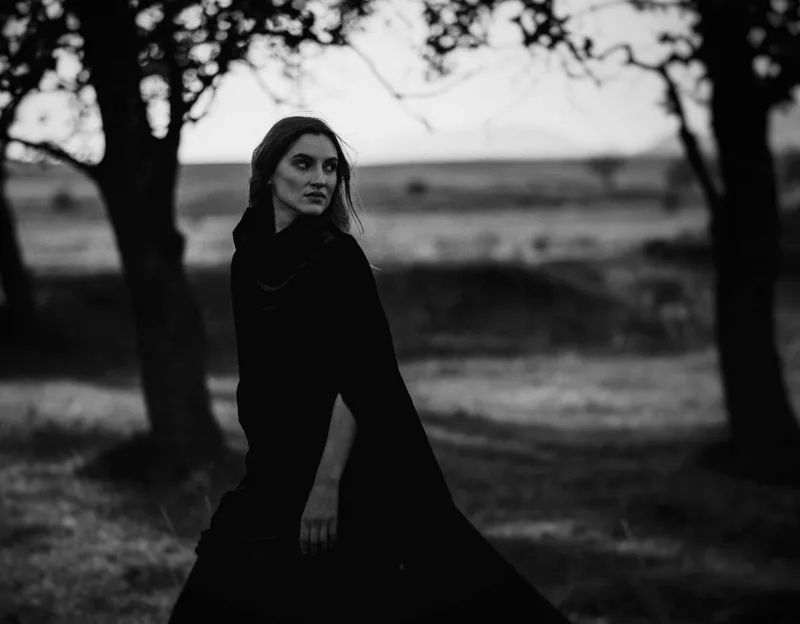
This isn't the sanitised countryside aesthetic of polished wellies and pristine Barbours. Instead, we're witnessing a darker romanticism that would make Emily Brontë nod with recognition—fashion that embraces the Gothic beauty of Britain's more challenging terrains. Think flowing wool cloaks that billow dramatically against stormy skies, leather boots worn soft by countless miles across unforgiving ground, and fabrics that improve with every encounter with driving rain.
The movement draws inspiration from our literary heritage whilst firmly planting itself in contemporary consciousness. It's Catherine Earnshaw meets dark academia, Jane Eyre reimagined for Instagram's moody filters. Yet beneath the aesthetic lies something deeper—a genuine reconnection with the landscapes that shaped British character for millennia.
Designing with the Elements
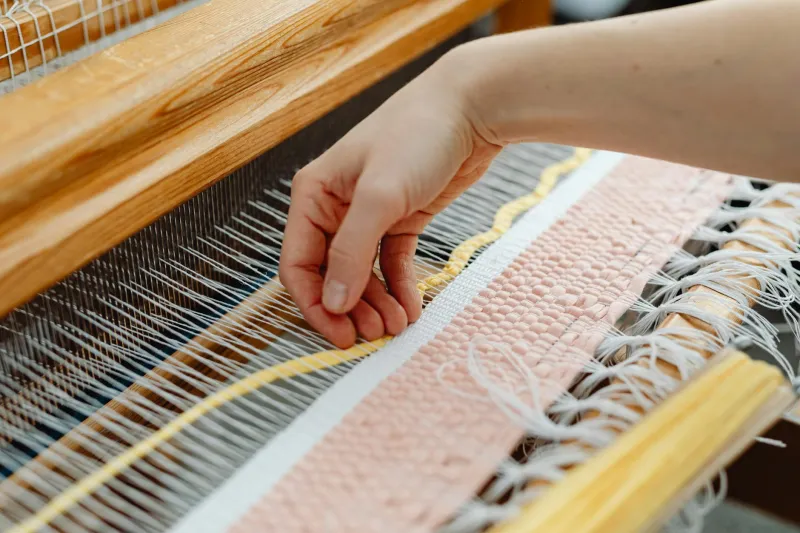
Independent designers across Britain are responding to this call of the wild with collections that blur the boundaries between fashion and functional art. In her Dartmoor studio, textile artist Morgana Blackthorne creates cloaks from locally-sourced wool that she dyes using gorse flowers and blackberries foraged from the very moors that inspired their creation.
"The landscape teaches you what it needs," Blackthorne explains, her hands permanently stained purple from her latest batch of bramble dye. "You can't fight Dartmoor—you have to dance with it. My pieces are designed to move with the wind, to improve with weathering, to become more beautiful after they've been tested by the elements."
Similarly, Scottish designer Hamish MacBride works from a converted croft house on Skye, creating what he calls "weather-worn elegance"—pieces that deliberately embrace the patina of outdoor life. His signature leather jackets are pre-weathered using Highland mist and sea spray, emerging with the character of garments that have lived full lives before their first wearing.
The Philosophy of Imperfection
This new outdoor romanticism celebrates what Japanese aesthetics call wabi-sabi—the beauty found in imperfection and impermanence. A wool jumper with pulls from gorse bushes tells stories of adventure. Leather that's darkened by rain and softened by wear becomes more precious, not less. Fabrics that fade and weather gain character impossible to manufacture.
It's a radical departure from fashion's traditional pursuit of pristine perfection. Instead, these pieces are designed to collaborate with their environment, to be marked and changed by every walk across windswept headlands, every scramble up rocky tors, every moment spent in communion with Britain's wilder spaces.
Layering for the Landscape
The practical magic of moor-dressing lies in intelligent layering that serves both function and beauty. Base layers of merino wool or silk provide temperature regulation whilst feeling luxurious against skin. Over these, flowing tunics in linen or hemp move gracefully whilst offering protection from sun and wind. Outer layers—cloaks, capes, or dramatically cut coats—create silhouettes that complement rather than compete with the landscape's grandeur.
Footwear becomes crucial: boots that can handle rough terrain whilst maintaining elegant lines, often crafted by traditional British makers who understand that style and substance need not be mutually exclusive. Think Church's meets fell-walking, Grenson reimagined for rocky paths.
Colour and the Moorland Palette
The colour story of moorland fashion draws directly from Britain's natural palette—the grey-greens of lichen-covered stone, the deep purples of heather in bloom, the rich browns of peat and bracken. These aren't the bright, synthetic colours of technical outdoor wear, but the subtle, complex tones that allow wearers to harmonise with their surroundings.
Autumn brings opportunities for rust and amber, colours that echo the turning bracken and the last light on granite. Winter calls for charcoal and slate, tones that mirror storm clouds and wet stone. Spring awakens possibilities for sage and moss green, whilst summer allows for the pale golds of dried grass and sun-bleached stone.
The Ritual of Dressing
Dressing for the moors becomes a ritual of intention, a conscious preparation for communion with landscape. Each layer chosen not just for its practical properties but for how it feels to wear, how it moves in wind, how it ages with exposure to elements. The act of wrapping oneself in wool and leather becomes a form of armour—not against the landscape, but for deeper engagement with it.
Accessories take on talismanic qualities: a pendant of local stone, a belt crafted from leather tanned using traditional methods, gloves that allow for both warmth and the tactile experience of touching ancient stones. These aren't mere decorations but tools for connection.
Beyond the Practical
What sets this movement apart from conventional outdoor wear is its understanding that our relationship with landscape transcends mere survival. These clothes acknowledge that we dress not just to stay warm and dry, but to feel part of something larger than ourselves. They're designed for those moments when the mist clears to reveal distant peaks, when sudden shafts of sunlight transform ordinary moorland into something magical.
The aesthetic celebrates solitude without loneliness, wildness without danger. It's fashion for those who understand that some of life's most profound moments happen when we're alone with landscape, weather, and our own thoughts.
The Urban Connection
Remarkably, these moor-inspired pieces translate beautifully to urban environments, bringing a touch of wild authenticity to city streets. A cloak designed for Highland winds becomes a statement piece on London pavements. Boots crafted for rocky paths handle urban terrain with equal grace whilst telling stories of wilder adventures.
This versatility speaks to our collective hunger for authentic experiences in an increasingly digital world. Wearing pieces designed for Britain's untamed landscapes connects us to something real and enduring, even when we're navigating the artificial canyons of modern cities.
Investing in Adventure
The economics of moorland fashion favour quality over quantity—pieces built to last decades rather than seasons, designed to improve with age and use rather than deteriorate. This aligns perfectly with growing consciousness about sustainable fashion whilst offering something more valuable than mere environmental responsibility: clothes that become companions in adventure, witnesses to experiences, repositories of memory.
As we increasingly seek meaning in our material choices, dressing for Britain's wild places offers a path towards fashion that serves both practical and spiritual needs. These aren't clothes for posing but for living—for those moments when we need to feel both protected and connected, both grounded and free to soar on moorland winds.