Walk into any ancient British church and you'll find him watching: the Green Man, carved in stone, his face emerging from or dissolving into leaves and branches. This mysterious figure, older than Christianity itself, represents our ancestors' understanding that humans and nature are inextricably intertwined. Today, as we grapple with climate consciousness and yearn for authentic connection, this ancient woodland wisdom is quietly transforming British fashion.
What we're witnessing isn't just a trend — it's a cultural awakening. The rise of what I'm calling 'verdant dressing' reflects our collective need to reconnect with the wild spaces that shaped British identity for millennia.
The Roots Run Deep
Britain's relationship with its forests is complicated and profound. We've cleared most of our ancient woodlands, yet they remain central to our collective imagination. From Robin Hood's Sherwood to the dark woods of fairy tales, from the sacred groves of the Druids to the managed forests of today, we've never quite shaken our sense that the trees hold secrets.
This relationship is now manifesting in fashion in ways both subtle and striking. Independent British designers are increasingly drawing inspiration from woodland motifs, not as literal leaf prints, but as something deeper — a way of thinking about texture, colour, and the relationship between cultivation and wildness.
Beyond the Obvious: What Verdant Dressing Actually Looks Like
Forget cartoon leaves and obvious botanical prints. True verdant dressing is far more sophisticated, drawing inspiration from the forest's entire ecosystem of textures, colours, and organic forms.
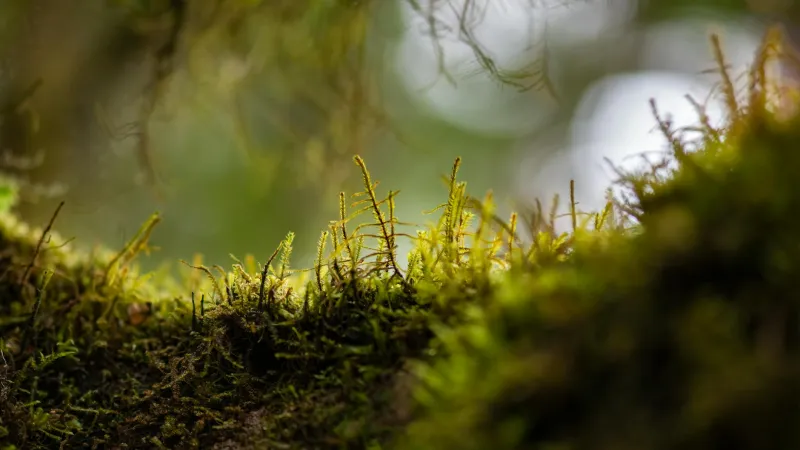
Moss and Lichen Tones: The subtle greens that actually dominate British woodlands aren't the bright emerald of spring grass, but the complex, muted tones of moss on stone, lichen on bark, and fern shadows. These colours — sage, olive, pewter-green, dusty jade — form the backbone of contemporary forest-inspired fashion.
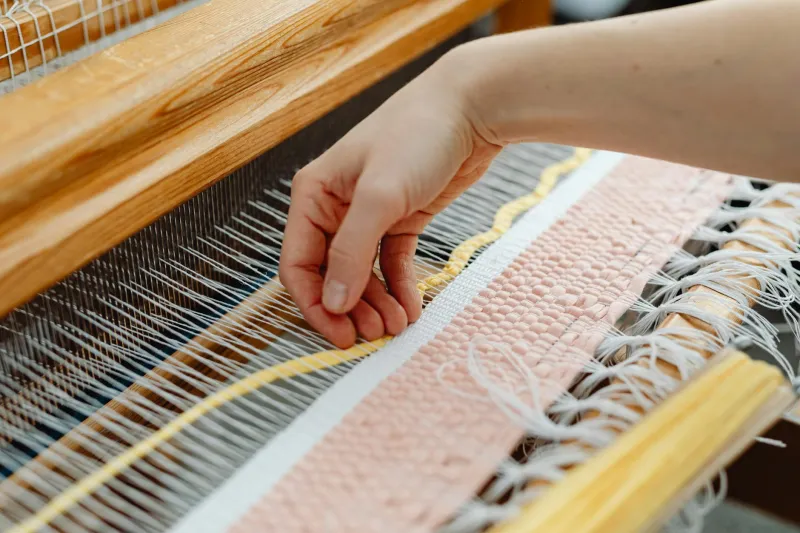
Bark and Root Textures: Knitwear that mimics the texture of tree bark, jackets with organic, asymmetrical lines that suggest natural growth rather than rigid construction. Fabrics that feel like they've grown rather than been manufactured.
The Green Man's Embrace: Pieces where organic forms seem to emerge naturally from the garment — embroidery that spreads like ivy, seams that curve like branches, silhouettes that suggest the boundary between human form and natural growth.
The Designers Leading the Renaissance
Across Britain, independent designers are tapping into this ancient symbolism with remarkable sophistication. They're creating pieces that feel both contemporary and timeless, urban and wild.
Look for designers working with naturally dyed fabrics in woodland tones, creating textures that reference organic forms without literally depicting them. Knitwear that suggests the complexity of forest undergrowth, jewellery that captures the delicate strength of twining vines, or coats cut with the asymmetrical beauty of natural growth.
This isn't about wearing literal leaves — it's about capturing the essence of how nature builds, grows, and creates beauty through organic processes rather than rigid rules.
The Psychology of Wearing the Wild
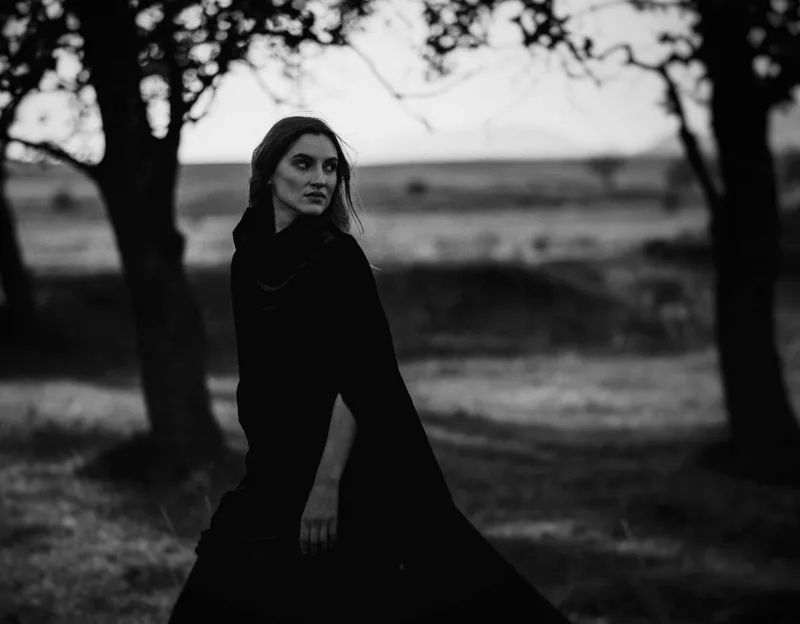
There's something profound about dressing in ways that connect us to Britain's ancient landscapes. In our increasingly urban lives, verdant dressing offers a subtle form of rebellion — a way of carrying the wild with us through city streets and office buildings.
When you choose a jacket in moss green with organic lines, or jewellery that suggests twining branches, you're making a statement about values. You're choosing complexity over simplicity, organic beauty over geometric precision, connection over isolation.
Curating Your Forest Edit
Building a verdant wardrobe isn't about wholesale replacement — it's about thoughtful curation. Start with pieces that speak to the forest aesthetic while working within your existing style.
Base Layers: Look for pieces in those complex woodland greens — not bright or obvious, but the subtle, shifting tones of actual British landscapes. A sage green merino jumper or olive silk blouse becomes the foundation for building forest-inspired looks.
Statement Textures: Invest in one piece with remarkable texture — perhaps a cardigan that feels like moss, or a jacket with organic, flowing lines. These become the focal points that transform ordinary outfits into something more magical.
Woodland Accessories: This is where you can be most adventurous. Look for jewellery that suggests natural forms — earrings like delicate leaves, necklaces that feel like twisted vines, or brooches that capture the essence of woodland creatures without being literal.
Footwear That Grounds You: Choose shoes that feel connected to the earth — perhaps boots in rich brown leather that suggests forest floors, or flats in deep green that feel like they could carry you through woodland paths.
The Sustainability Connection
Verdant dressing naturally aligns with sustainable fashion principles. The aesthetic celebrates organic processes, natural materials, and the kind of timeless design that transcends seasonal trends. When you're inspired by ancient forests, you're less likely to chase fast fashion and more likely to invest in pieces that will age beautifully, developing their own patina over time like moss on stone.
This connection to sustainability isn't coincidental — it's fundamental to the movement. The Green Man represents the cycle of growth, death, and renewal that sustainable fashion seeks to emulate.
Living the Forest Philosophy
Ultimately, verdant dressing is about more than clothes — it's about embracing a philosophy that sees beauty in organic growth, complexity in natural processes, and wisdom in ancient connections between humans and the natural world.
In a fashion landscape often dominated by rigid trends and artificial timelines, choosing to dress with forest wisdom feels quietly revolutionary. You're saying yes to complexity over simplicity, to organic beauty over manufactured perfection, to ancient wisdom over contemporary noise.
The Green Man watches from his stone carvings, and perhaps he approves. After centuries of separation from our wild spaces, we're finally remembering that we too are part of the forest's story. Our clothes, like our lives, can reflect that deep and ancient connection.