There's something almost supernatural about running your fingers across velvet. The way it catches light, holds secrets in its pile, and transforms from midnight black to silver with the slightest movement—it's as if the fabric itself possesses a kind of ancient magic. And right now, across Britain's independent fashion scene, that magic is being rediscovered.
The Fabric That Built Empires
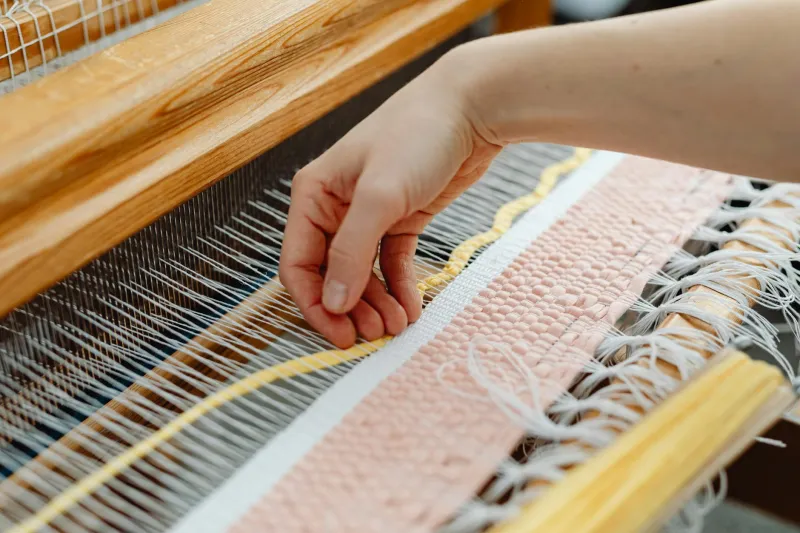
Velvet's relationship with British culture runs deeper than most realise. When Henry VIII strutted through Hampton Court in his sumptuous velvet doublets, he wasn't just making a fashion statement—he was wielding power. Velvet was so precious that sumptuary laws literally dictated who could wear it. Only the nobility could afford its silk pile, its labour-intensive weaving process that originated in the ancient looms of the East.
By the Victorian era, velvet had evolved into something more complex. Black velvet became the uniform of mourning, its light-absorbing properties creating an almost void-like presence that seemed to swallow grief itself. Yet simultaneously, jewel-toned velvets adorned the era's most celebrated beauties, their rich surfaces catching gaslight in drawing rooms across the Empire.
The Great Velvet Exodus
Somewhere between the World Wars and the rise of synthetic fabrics, velvet lost its way. It became associated with dusty drawing rooms, heavy curtains, and that peculiar British phenomenon of keeping the 'good' furniture covered in protective fabric. The fashion world largely abandoned it, save for the occasional evening gown or theatrical costume.
But fabrics, like fashion, move in cycles. And velvet's time has come again.
The New Velvet Vanguard
Walk through London's independent boutiques today—from the cobbled streets of Shoreditch to the vintage emporiums of Brighton—and you'll witness velvet's renaissance firsthand. But this isn't your grandmother's heavy, suffocating velvet. Today's British designers are reimagining the fabric with a lightness of touch that would make those Tudor craftsmen weep with joy.
Take Manchester-based designer Sarah Chen, whose silk-cotton velvet blazers have been spotted on everyone from Hackney creatives to Edinburgh festival-goers. "Velvet has this incredible ability to make the mundane magical," she explains. "A simple shift dress in midnight velvet becomes an incantation. A pair of wide-leg trousers in forest green velvet transforms your entire presence."
The secret lies in understanding velvet's unique properties. Unlike flat-weave fabrics, velvet creates its own microclimate around the body. It breathes differently, moves differently, ages differently. Each piece develops its own patina over time, becoming more beautiful with wear—a concept that feels almost revolutionary in our disposable fashion culture.
The Science of Seduction
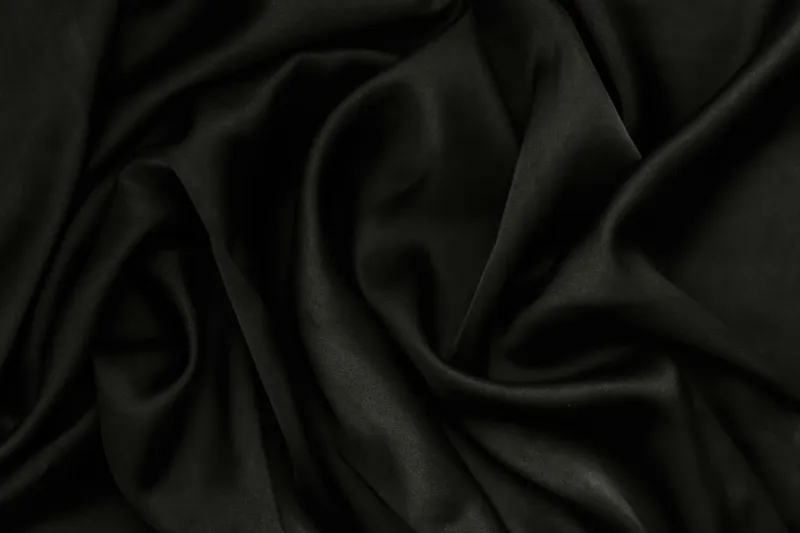
What makes velvet so compelling isn't just its visual appeal—it's the way it engages all the senses. The pile creates tiny shadows that shift with movement, making the wearer appear to shimmer and change. Touch velvet against the grain and it lightens; smooth it down and it deepens to almost black. It's like wearing liquid mercury.
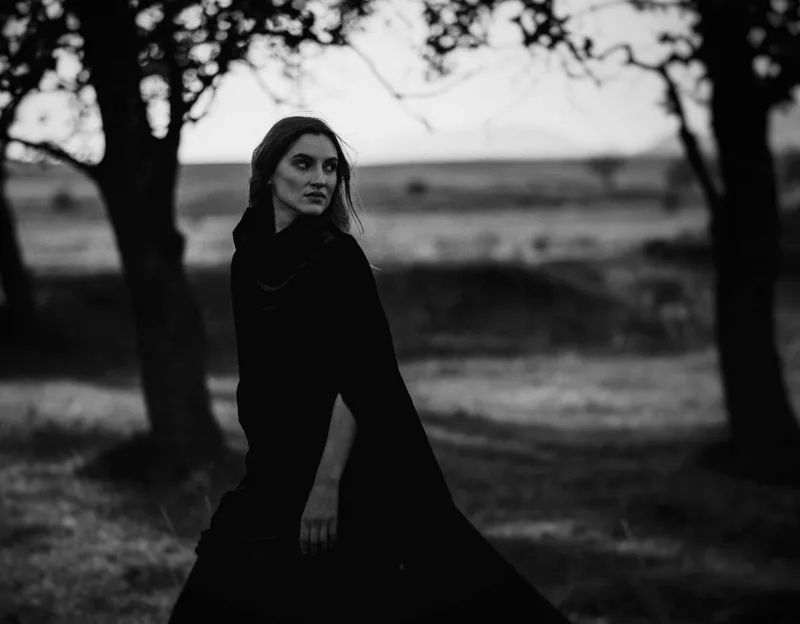
This transformative quality is why velvet has always been associated with magic and mysticism. In medieval times, court magicians favoured velvet robes not just for their luxury, but for their ability to seem to absorb light and shadow. Today's fashion-forward Brits are tapping into that same otherworldly quality.
Modern Velvet Magic: A Practical Guide
The key to wearing contemporary velvet lies in understanding proportion and context. A full velvet ensemble can veer into costume territory faster than you can say "Downton Abbey." Instead, think of velvet as your secret weapon—the piece that elevates everything else in your wardrobe.
Start with accessories: a midnight velvet clutch that transforms a simple jeans-and-tee combination into something worthy of a gallery opening. Or consider a velvet blazer in an unexpected colour—sage green or dusty rose—worn over crisp white cotton and tailored trousers.
For the more adventurous, velvet trousers in jewel tones paired with cashmere knits create an ensemble that's both luxurious and utterly wearable. The trick is balancing textures: velvet's richness needs the counterpoint of something smooth, crisp, or matte.
The Sustainable Seduction
Perhaps most importantly, velvet's revival coincides perfectly with fashion's growing consciousness around sustainability. Quality velvet pieces—particularly those made from natural fibres—are investments that improve with age. Unlike fast fashion that fades and pills, good velvet develops character, its pile settling into comfortable familiarity while retaining its essential magic.
British independent designers are leading this charge, creating velvet pieces designed to last decades rather than seasons. It's a return to the original ethos of velvet—fabric so precious it was passed down through generations.
The Future Feels Like Velvet
As we move further into an era where personal style matters more than trend-following, velvet offers something increasingly rare: the ability to transform not just how you look, but how you feel. There's something about sliding into a well-cut velvet jacket that straightens your spine, lifts your chin, makes you move with more intention.
This is velvet's true magic—not just its visual beauty, but its ability to change the wearer from within. In a world of synthetic fabrics and disposable fashion, choosing velvet is choosing to dress with purpose, with history, with a touch of the extraordinary.
After 300 years of waiting in the wings, British velvet is ready for its encore. The question isn't whether you're ready to embrace it—it's whether you're brave enough to let it transform you.