The Rebellion Against Uniformity
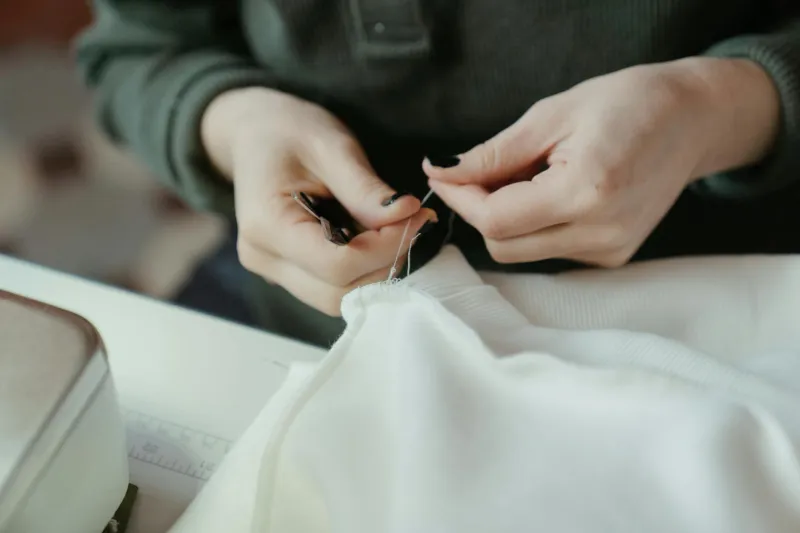
Something extraordinary is happening in British bedrooms and dressing rooms across the country. Women are opening their wardrobes and feeling genuinely excited about getting dressed again. The catalyst? A growing movement away from the predictable uniformity of high street fashion toward clothing that carries genuine soul—handcrafted pieces that whisper stories of the maker's hands, the hours spent perfecting each stitch, the small imperfections that prove human touch.
This isn't nostalgia masquerading as progress. This is a sophisticated consumer base recognising that true luxury lies not in logos or price points, but in the irreplaceable quality of something made specifically for you, by someone who cares about their craft more than quarterly profits.
The numbers tell a compelling story. Independent craft fairs across the UK report unprecedented attendance, with clothing stalls consistently selling out. Etsy searches for "handmade clothing UK" have increased by 340% over the past two years. But perhaps most tellingly, women are investing more time and money in fewer pieces—building wardrobes around quality rather than quantity.
The Emotional Architecture of Handmade
When Sarah Mitchell, a graphic designer from Bath, commissioned a hand-embroidered jacket from a local textile artist, she discovered something unexpected: "I knew the maker's name, I'd watched her work process on Instagram, I understood the technique she was using. When I wear that jacket, I'm not just dressed—I'm carrying someone else's passion and skill with me. It changes how I move through the world."
This emotional connection represents a fundamental shift in how we relate to our clothing. Mass-produced garments, however beautifully designed, remain anonymous. They carry no stories beyond marketing campaigns. Handcrafted pieces, conversely, arrive with entire narratives—the maker's journey, the techniques passed down through generations, the specific choices made for your particular piece.
Consider the psychological impact of wearing something truly unique. In a world where street style increasingly resembles a uniform of familiar brands and trending silhouettes, handcrafted clothing offers genuine distinction. Not the hollow distinction of expensive labels, but the authentic uniqueness of human creativity applied specifically to your vision.
The New Luxury Landscape
The artisan clothing movement is redefining luxury for a generation that values authenticity over status symbols. Traditional luxury relied on exclusivity through price and availability. This new luxury achieves exclusivity through genuine uniqueness—no two hand-knitted jumpers are identical, no two hand-dyed scarves carry precisely the same colour variations.
British makers are leading this transformation. From the Scottish Highlands, where traditional Fair Isle patterns are being reinterpreted by contemporary knitters, to London studios where fashion graduates are applying haute couture techniques to ready-to-wear pieces, the UK craft scene pulses with innovation grounded in heritage.
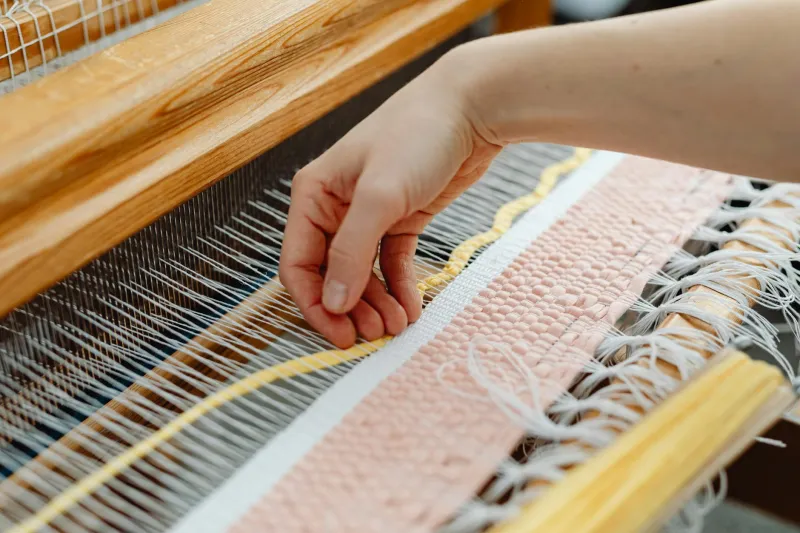
The investment model differs dramatically from traditional fashion consumption. Rather than buying multiple inexpensive items seasonally, artisan fashion devotees invest in fewer, more significant pieces. A hand-woven coat might cost five times more than its high street equivalent, but it's designed to last decades rather than seasons. The cost per wear, calculated over years rather than months, often favours the handcrafted option.
Beyond the Romantic: Practical Magic
Whilst the emotional appeal of handmade clothing is undeniable, the practical benefits are equally compelling. Artisan makers typically work with superior materials—natural fibres sourced for longevity rather than profit margins. Construction techniques prioritise durability over speed. The result is clothing that ages gracefully rather than deteriorating rapidly.
Customisation options transform the shopping experience entirely. Rather than hoping standard sizes accommodate your particular proportions, handmade clothing can be tailored to your exact measurements and preferences. Sleeve lengths, hem heights, colour variations—all become possibilities rather than compromises.
The environmental impact cannot be ignored. Local production eliminates international shipping. Small-batch creation reduces waste. Quality construction extends garment lifespans dramatically. For environmentally conscious consumers, supporting artisan makers represents a practical approach to sustainable fashion that doesn't require sacrificing style or quality.
The Community Connection
Perhaps most significantly, choosing handmade clothing connects you to a community of makers and fellow enthusiasts. Craft fairs become social events where you meet the person who created your favourite dress. Online platforms facilitate relationships between makers and customers that extend far beyond single transactions.
This community aspect transforms shopping from a transactional experience into a relational one. You're not just buying clothing; you're supporting someone's artistic practice, contributing to traditional craft preservation, participating in a movement that values human creativity over corporate efficiency.
The ripple effects extend throughout local economies. Money spent on handmade clothing stays within communities, supporting independent artists who typically reinvest in quality materials and fair wages rather than shareholder profits.
Navigating the Artisan Landscape
For newcomers to handmade fashion, the landscape can seem overwhelming. Start small—perhaps a hand-knitted scarf or embroidered blouse. Attend local craft fairs to meet makers and understand their processes. Utilise online platforms like Etsy, but read reviews carefully and communicate directly with makers about your needs and expectations.
Budget differently. Rather than allocating monthly amounts for multiple purchases, save for quarterly or biannual investments in significant pieces. Consider commissioning items during makers' quieter periods for better pricing and more personalised attention.
Most importantly, embrace the timeline. Handmade clothing operates on human schedules rather than industrial ones. A commissioned piece might take weeks or months to complete. This waiting period, initially frustrating to consumers accustomed to immediate gratification, often becomes part of the pleasure—anticipating something created specifically for you.
The Future of Personal Style
The artisan clothing movement represents more than a fashion trend; it suggests a fundamental shift toward more thoughtful consumption. In an era of increasing digital connection, the desire for tangible, human-made objects grows stronger. Clothing, as our most intimate possessions, becomes a natural focus for this desire.
As this movement matures, expect to see more sophisticated integration between traditional craft techniques and contemporary design sensibilities. The future of British fashion may well lie not in competing with international fast fashion, but in celebrating the unique value of local craftsmanship and individual creativity.
For those ready to transform their relationship with clothing, the artisan revolution offers an alternative that satisfies both practical needs and deeper desires for authenticity, community, and genuine personal expression. In a world of increasing uniformity, choosing handmade becomes an act of quiet rebellion—one that happens to look absolutely magical.