When Landscape Becomes Wardrobe
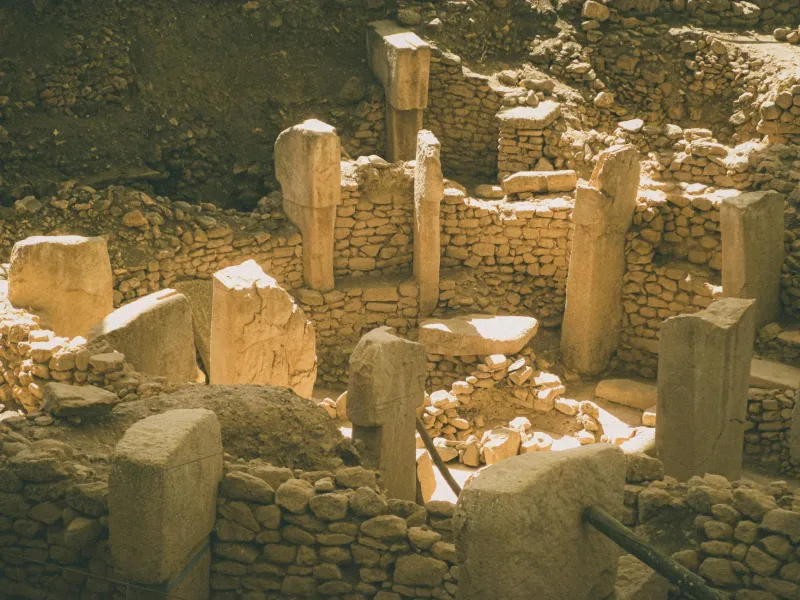
The mist rolls across Avebury's ancient stones as dawn breaks, and among the early morning visitors, something interesting is happening. While most arrive in hiking boots and waterproofs, a growing number appear dressed with obvious intention—flowing fabrics that catch the wind, jewellery that catches the light, colours chosen not for practicality but for meaning.
This is ritual dressing for sacred space, and it's quietly transforming how Britain's most mystical sites are experienced.
"What you wear to a sacred site is itself an offering," explains Luna Blackwood, a textile designer whose work draws heavily from ancient British landscapes. "You're not just visiting these places—you're entering into dialogue with them. Your clothing becomes part of that conversation."
From the Ring of Brodgar's Orkney winds to Glastonbury Tor's legendary energies, Britain's sacred sites are inspiring a new wave of intentional dressing that treats every visit as ceremony, every outfit as ritual.
The Designers Drawing from Deep Time
In her Cornwall studio overlooking the sea, designer Morgana Hartwell creates what she calls "landscape clothing"—pieces specifically designed for interaction with Britain's ancient sites. Her collections feature flowing cloaks inspired by Cornish stone circles, dresses that echo the spiral patterns carved into Newgrange, accessories that mirror the astronomical alignments of Stonehenge.
"These sites have been sacred for thousands of years," Morgana explains, showing me a cloak whose hem is weighted with small stones collected from various sacred sites. "People have always dressed intentionally when approaching the divine. We're just continuing that tradition."
Her pieces are worn by modern pagans, spiritual seekers, and anyone who feels the pull of Britain's mysterious past. But they're not costume—they're contemporary clothing designed to bridge ancient and modern, sacred and everyday.
In Edinburgh, designer Rowan MacLeod takes a different approach. His "stone circle collection" features structured pieces that echo megalithic architecture—jackets with standing-stone silhouettes, dresses that mirror dolmen shapes, accessories inspired by cup-and-ring markings.
"There's something about these ancient forms that speaks to us on a cellular level," Rowan says. "When you wear clothing that echoes these shapes, you're carrying that energy with you."
The Pilgrims' Wardrobe
But it's not just designers who are thinking intentionally about sacred site dressing. Across Britain, regular visitors to these ancient places are developing their own ritual wardrobes, choosing pieces that enhance rather than distract from the experience.
Sarah Greenwood has been visiting Glastonbury Tor weekly for fifteen years, and her sacred site wardrobe has evolved into something deeply personal. "I have specific pieces I only wear for the Tor," she explains. "A cloak my grandmother made, boots that have walked every path up that hill, a silver pendant that belonged to my great-aunt who was a herbalist."
For Sarah, dressing for the Tor is about layering meaning alongside fabric. Each piece carries history, intention, connection. "When I put on my Tor clothes, I'm not just getting dressed—I'm preparing for transformation."
This approach is spreading. Online communities share photos of "sacred site outfits," discussing the symbolism of colours, the significance of natural fibres, the importance of clothing that moves well in ceremonial space.
Building Your Sacred Site Wardrobe
So how do you dress for dialogue with deep time? The practitioners I spoke with offer surprisingly practical guidance, rooted in respect rather than rigid rules.
Start with Natural Fibres
"Synthetic materials create a barrier," explains textile artist and frequent stone circle visitor Jenny Thornton. "Wool, linen, cotton, silk—these fabrics breathe with you and the landscape. They feel more honest somehow."
Natural fibres also age beautifully, developing character and patina that synthetic materials can't match. That linen dress grows softer with each stone circle visit. Those wool socks carry the memory of countless sacred walks.
Choose Colours with Intention
"I always wear earth tones at stone circles," says Marcus Chen, who leads guided tours of Britain's megalithic sites. "Browns, greens, greys—colours that don't compete with the landscape but complement it."
Others prefer white for its associations with purity and new beginnings, or black for its connection to the void, the unknowable. Some choose colours based on the specific site—blue for coastal circles, green for woodland sacred groves, grey for moorland monuments.
Layer for Transformation
Britain's sacred sites are often exposed, windy places where weather changes quickly. But rather than seeing this as a challenge, experienced sacred site visitors use layering as part of their ritual practice.
"I arrive wearing everyday clothes, then layer on my sacred pieces as I approach the site," explains Maya Patel, a photographer who documents Britain's stone circles. "The act of dressing becomes part of the preparation, the transition from ordinary to sacred space."
A simple base layer, a meaningful shawl, a special piece of jewellery added at the threshold—each layer marks a step deeper into ceremony.
Honour Movement and Stillness
"Your clothes need to work with you, not against you," advises ritual movement teacher Finn O'Sullivan. "Whether you're walking a labyrinth, sitting in meditation, or dancing between standing stones, your clothing should support rather than restrict."
Flowing fabrics that catch the wind, comfortable footwear for uneven ground, layers that can be adjusted as needed—practical considerations that serve spiritual practice.
The Sacred and the Seasonal
Many sacred site visitors develop seasonal ritual wardrobes, choosing pieces that honour both the site's energy and the turning of the year.
Winter solstice at Newgrange calls for warm, dark colours—charcoal wool, midnight blue, deep forest green. Summer solstice at Stonehenge invites lighter fabrics, brighter colours, pieces that celebrate the sun's triumph.
"The sites themselves change with the seasons," observes archaeologist and frequent sacred site visitor Dr. Patricia Moorhouse. "Your relationship with them should change too. Winter Avebury feels completely different from summer Avebury. Your clothing can reflect and honour that difference."
Beyond the Circles
The influence of sacred site dressing extends far beyond the stones themselves. Designers report that pieces created for ritual wear often become everyday favourites, carrying something of the sacred into ordinary life.
"When you wear a cloak that's been to Avebury, you carry a little of that energy with you," says Luna Blackwood. "Sacred site clothing becomes a bridge between worlds—a way of staying connected to that deeper current even in the midst of everyday life."
This isn't about appropriation or play-acting. It's about recognition—understanding that certain places hold power, and that approaching them with intention and respect enhances rather than diminishes the experience.
Dressed for Wonder
As Britain's sacred sites face increasing pressure from tourism and development, the practice of ritual dressing offers something valuable: a way of approaching these places that emphasises reverence over consumption, experience over entertainment.
"When you dress intentionally for a sacred site, you're making a statement," reflects designer Morgana Hartwell. "You're saying this place matters. This moment matters. I'm here not as a tourist but as a participant in something ancient and ongoing."
In the end, sacred site styling isn't really about the clothes at all. It's about the intention they represent, the respect they embody, the connection they facilitate. It's about understanding that how we dress shapes how we experience the world—and that sometimes, the most powerful thing we can wear is our own authentic reverence for the mystery that surrounds us.
Whether you're drawn to flowing cloaks or simple earth tones, ancient symbols or contemporary cuts, the key is choosing pieces that help you feel connected rather than separate, present rather than distracted, open rather than defended.
After all, Britain's sacred sites have been welcoming seekers for millennia. They're not particular about what you wear—only that you come with an open heart and genuine respect for the mystery they guard. Everything else is just beautiful detail in service of that deeper truth.