The Secret Language of British Blooms
Something extraordinary is blooming in British fashion, and it has nothing to do with the predictable parade of roses and daisies that typically grace our high street windows. Walk through any contemporary British design studio today, and you'll find mood boards adorned not with Parisian runway shots, but with pressed elderflowers, sketches of nettle leaves, and photographs of moonlit foxgloves swaying in ancient woodlands.
This botanical renaissance isn't merely aesthetic—it's archaeological. Designers are excavating centuries of British plant lore, unearthing the symbolic power that our ancestors wove into their relationship with the natural world, and translating these discoveries into garments that pulse with genuine enchantment.
Beyond Pretty Patterns: The Folklore Revolution
The difference between this movement and conventional floral fashion lies in intention. Where traditional botanical prints treat flowers as decorative motifs, these new interpretations understand plants as carriers of cultural memory and magical significance.
Take elderflower, for instance. In British folklore, this creamy blossom has long been associated with protection and transformation—elder trees were believed to house benevolent spirits who would guard homes and heal the sick. Contemporary designers are now incorporating elderflower motifs not just for their delicate beauty, but for their protective symbolism. Think silk scarves embroidered with elder clusters positioned strategically over the heart, or coats lined with elder-inspired patterns that literally wrap the wearer in folkloric protection.
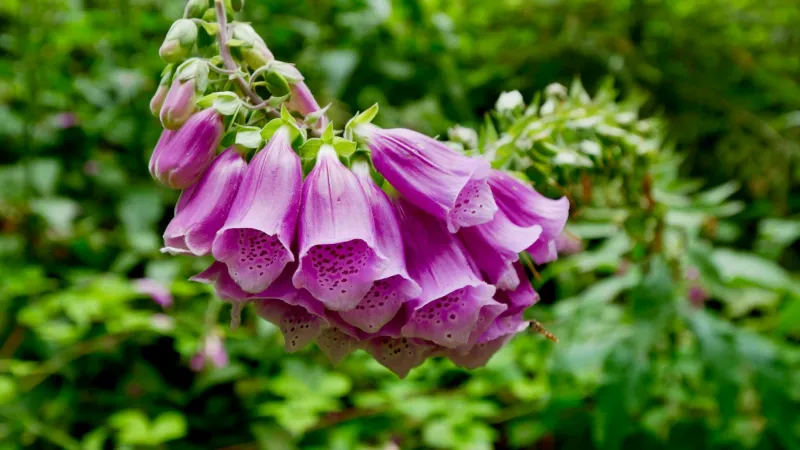
The approach extends beyond surface decoration into the very architecture of garments. Foxglove—historically known as "fairy's glove" and associated with otherworldly communication—is inspiring sleeve designs that echo the flower's distinctive bell shape. These aren't costume pieces; they're sophisticated interpretations that capture the plant's mystical essence while remaining utterly wearable.
The Hedgerow Haute Couture
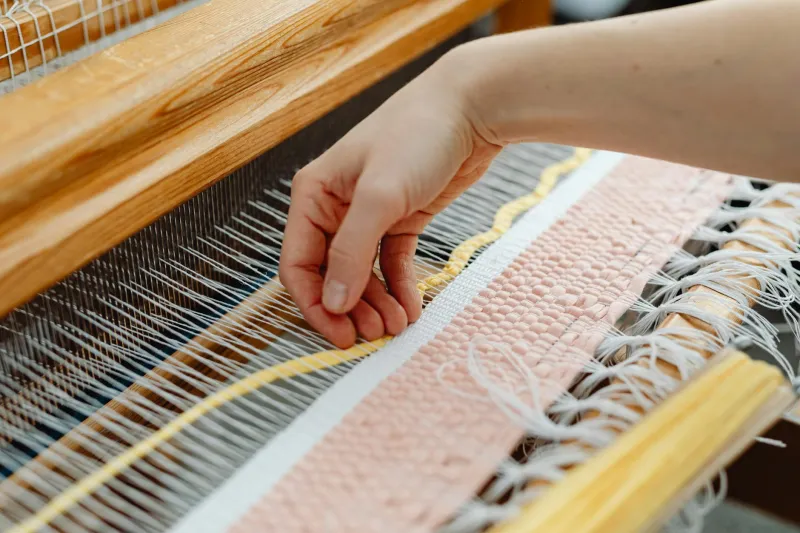
British independent labels are leading this charge, and their work reads like a love letter to our native landscape. Nettle, once dismissed as a troublesome weed, is being celebrated for its historical significance as both textile fibre and symbol of resilience. Designers are creating pieces that literally incorporate nettle fibres, or feature prints that mimic the plant's serrated leaves—a nod to wearing one's strength openly.
Hawthorn, with its associations with May Day celebrations and protection against malevolent forces, appears in collections through thorny textures and cream-white colour palettes. The message is clear: beauty and danger can coexist, and true style acknowledges both.
Rosehips, those ruby jewels of autumn hedgerows, are inspiring colour stories that move beyond the expected pink into deeper, more complex territories—burnt oranges, wine reds, and the particular shade of brown that speaks of earth and endurance.
Practical Magic: Building Your Botanical Wardrobe
For those drawn to this movement, the key lies in understanding the stories behind the blooms. Start with research: which plants hold personal significance for you? Perhaps you grew up in a cottage garden dominated by lavender, or your grandmother always kept dried rowan berries for protection. These personal connections become the foundation for a wardrobe that feels genuinely magical rather than merely trendy.
Look for pieces that incorporate botanical elements thoughtfully rather than literally. A jacket with buttons carved from rowan wood carries more folkloric weight than a dress printed with generic flower patterns. Jewellery featuring pressed wildflowers in resin connects you directly to the landscape, while accessories in colours drawn from specific blooms—the purple-black of elderberries, the yellow-green of new hazel leaves—create subtle but meaningful connections to plant wisdom.
The Seasonal Storyteller's Wardrobe
This botanical approach naturally aligns with seasonal dressing, but with deeper intention. Spring wardrobes might feature the pale greens of unfurling fern fronds or the optimistic yellow of primroses. Summer calls for the deep blues of cornflowers and the silvery greens of artemisia. Autumn brings the russets of turning leaves and the deep purples of blackberries, while winter wardrobes can embrace the stark beauty of bare branches and the promise held in dormant seeds.
The beauty of this approach lies in its authenticity to place. These are the plants that have shaped British culture for millennia, that appear in our oldest songs and stories, that our great-grandmothers knew by name and property. Wearing them isn't cultural appropriation—it's cultural reclamation.
Growing Into the Future
What makes this movement particularly compelling is its sustainability angle. Many of these botanical-inspired pieces are created by designers who source materials locally, work with traditional British textile techniques, or partner directly with growers and foragers. The result is fashion that doesn't just look magical—it participates in the kind of circular, earth-connected economy that our folklore traditions have always celebrated.
As we move forward, this botanical uprising promises to reshape how we think about the relationship between clothing and landscape, between style and story, between wearing something beautiful and wearing something meaningful. In a world increasingly disconnected from the natural rhythms that once governed daily life, these garments offer a way back to the garden—even if that garden grows wild in the margins of our modern world.
The hedgerows are calling, and finally, fashion is learning to listen.