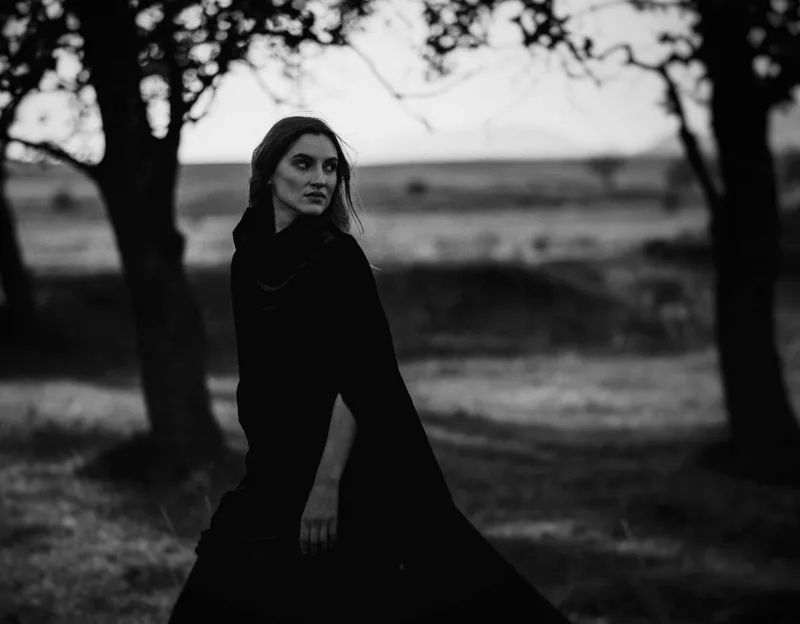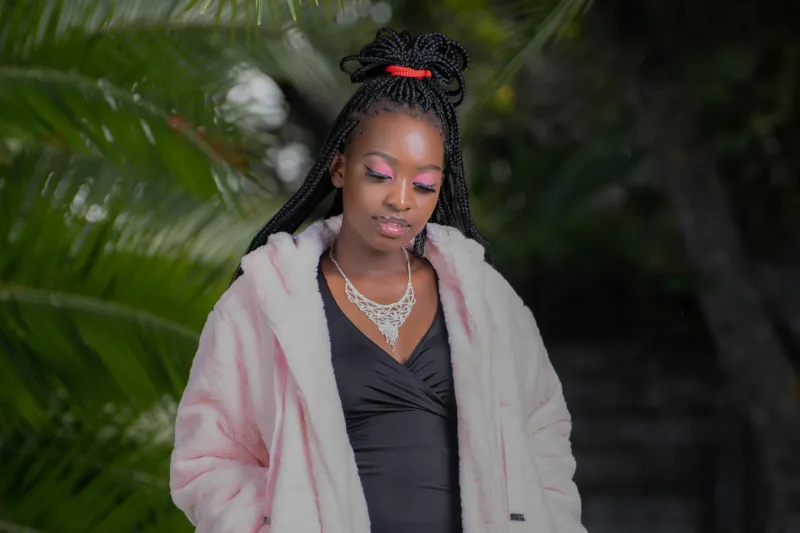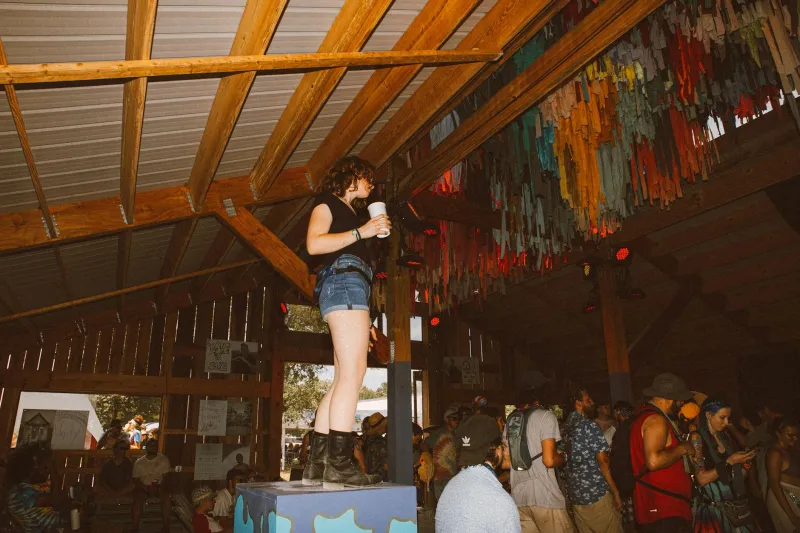
There's something profoundly liberating about standing knee-deep in Somerset mud at 3am, wearing a sequined cape over wellington boots, feeling absolutely magnificent. For all our supposed reputation as a fashion-forward nation, we Brits spend most of our lives dressed in careful compromise—balancing self-expression with social acceptability, weather practicality with style ambitions, workplace appropriateness with personal flair.
But drop us into a field for a long weekend, add some music and the ancient permission of seasonal celebration, and suddenly we transform. Festival fashion isn't just about clothes; it's about temporarily inhabiting our most fearless selves. And honestly? It might be the only space left where British style shows its true colours.
The Great British Style Paradox
We're a nation of contradictions when it comes to fashion. We produced punk, mod culture, and some of the world's most innovative designers, yet walk through any British high street and you'll see seas of safe, muted colours and careful conformity. We admire eccentricity from a distance whilst personally choosing the least offensive option available.
This cautious approach makes perfect sense when you consider our climate (unpredictable), our social structures (still somewhat rigid despite decades of change), and our cultural tendency towards self-deprecation. Why risk standing out when you could blend in safely?
Festivals obliterate this careful calculation entirely. Suddenly, practical considerations flip completely—that vintage fur coat becomes perfect for chilly dawn hours, face glitter serves the practical purpose of tribal identification in crowds, and those platform boots you'd never dare wear to work become essential for navigating muddy terrain whilst maintaining dignity.
The Ancient Permission of Seasonal Celebration
There's something deeply rooted in British culture about temporary transformation during celebrations. From Morris dancing to May Day festivities, we've always had traditions that permit—even encourage—stepping outside normal social boundaries through dress and behaviour.
Modern festivals tap into this ancient permission structure. They're contemporary versions of harvest festivals, midsummer celebrations, and other seasonal gatherings where communities temporarily suspended normal rules. The difference is that instead of flower crowns for May Day, we're wearing LED accessories and holographic fabrics.
This historical context explains why festival fashion feels so instinctively right to many people. We're not just playing dress-up; we're participating in a cultural tradition that stretches back centuries, even if the soundtrack has changed dramatically.
Where Imagination Meets Practicality
The beautiful paradox of festival dressing is that it demands both complete creative freedom and serious practical consideration. You need to stay warm during cold nights, cool during hot days, dry during inevitable rain, and comfortable enough to dance for hours—all whilst looking absolutely extraordinary.
This combination of constraints actually enhances creativity rather than limiting it. When you can't rely on conventional fashion rules, you're forced to think inventively. Why not wear a vintage nightdress as a dress? Why shouldn't a military surplus jacket be paired with a tulle skirt? Why can't wellington boots be bedazzled?
The result is styling that's both more imaginative and more honest than everyday fashion. Every choice serves a purpose, whether practical, expressive, or both. There's no room for clothes that don't earn their place through either function or joy.
The Democracy of Mud
Perhaps the most radical aspect of festival fashion is how it equalises everyone. That expensive designer jacket looks exactly the same covered in Glastonbury mud as a charity shop find. Weather and terrain become the great levellers, reducing all fashion choices to their essential elements: Do they work? Do they make you happy? Do they help you express who you want to be this weekend?
This democratisation extends beyond just economic considerations. Body shape, age, conventional attractiveness—none of these matter when everyone's focused on music, community, and shared experience. The 60-year-old in rainbow face paint and fairy wings commands exactly the same respect as the 20-year-old Instagram influencer in designer festival wear.
Lessons from the Fields
What if we brought some of this festival fearlessness into everyday life? Not the impractical elements—nobody needs to wear a full cape to the office—but the underlying principles that make festival fashion so liberating.
Function and joy in equal measure: Every piece should either serve a purpose or bring genuine happiness. Preferably both.
Weather as inspiration, not limitation: British weather is famously unpredictable, but festival-goers have mastered the art of dressing for all possibilities whilst still looking fantastic. Layer creatively. Embrace waterproof fabrics as design elements. Make peace with practical footwear.
Community over competition: Festival fashion succeeds because it's about contributing to a collective atmosphere rather than outshining others. What if we approached everyday dressing as adding to our community's visual landscape rather than competing within it?
Temporary transformation as regular practice: You don't need a festival to give yourself permission to experiment. Try one new element regularly—an unexpected colour combination, an interesting accessory, a different silhouette.
The Seasonal Soul of British Style
British festivals happen during our brief, precious warm months, connecting fashion choices directly to seasonal rhythms and natural cycles. There's something profoundly grounding about dressing for outdoor celebration, about choosing clothes that work with rather than against the natural world.
This connection to seasonality and landscape could revolutionise how we approach everyday style. Instead of following international fashion weeks that ignore our climate reality, what if we dressed more consciously for our actual environment and seasonal celebrations?
Reclaiming Everyday Magic
The tragedy isn't that we dress wildly at festivals—it's that we don't bring enough of that creative confidence into regular life. We've created artificial boundaries between 'appropriate' and 'expressive' that don't actually serve us.
Obviously, professional environments have dress codes for good reasons, and practical considerations matter. But most of us have far more freedom than we use. We could be more colourful, more experimental, more joyful in our daily choices without causing professional disasters or social catastrophes.
Festival fashion proves that British style, when unleashed from its careful constraints, is bold, inventive, and utterly magical. We just need to give ourselves permission to access that magic more than a few weekends a year. The mud is optional, but the fearlessness shouldn't be.
Next time you're getting dressed for an ordinary day, ask yourself: What would the festival version of me choose? You might be surprised by the answer, and delighted by the results.