The Cartographers of Cloth
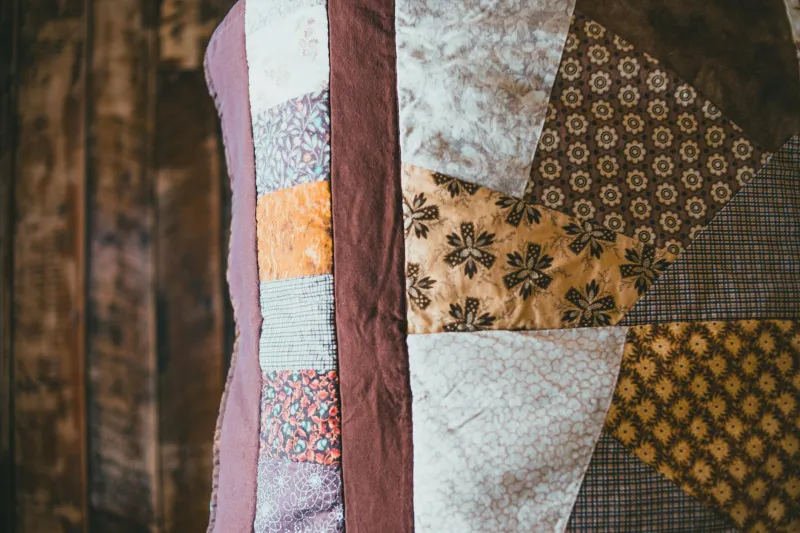
In a converted Victorian mill in Hebden Bridge, Sarah Chen holds up what appears to be an ordinary patchwork jacket. Look closer, and you'll discover something extraordinary: each square contains a fragment of West Yorkshire's industrial heritage. Mill worker uniforms from the 1920s sit alongside fabric from the region's last working loom, whilst panels cut from vintage protest banners commemorate the women who fought for workers' rights in these very valleys.
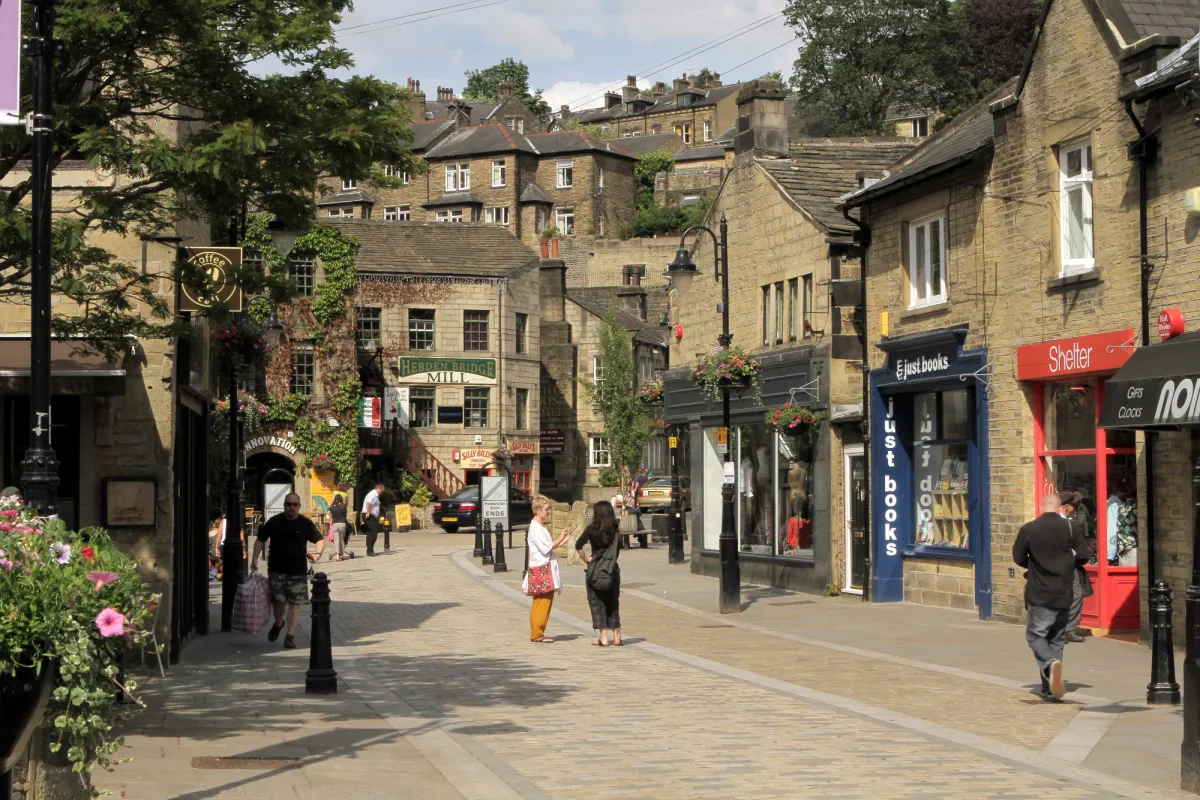 Photo: Hebden Bridge, via filmedinyorkshire.co.uk
"Every piece tells a story that would otherwise be lost," Chen explains, running her fingers along seams that connect disparate decades. "When you wear this jacket, you're carrying the ghosts of this place with you."
Chen belongs to a growing movement of British textile artists who are rejecting the throwaway culture of fast fashion in favour of something far more profound: garments that function as portable museums, each stitch a deliberate act of remembrance.
Stitching the Invisible Map
From the fishing villages of Cornwall to the former mining communities of Wales, makers across Britain are discovering that patchwork offers something unique in our digital age – the ability to make the intangible tangible. In St Ives, marine biologist turned textile artist Morwenna Pascoe creates coats from sailcloth salvaged from local boats, each panel bearing the salt stains and weather marks of countless journeys.
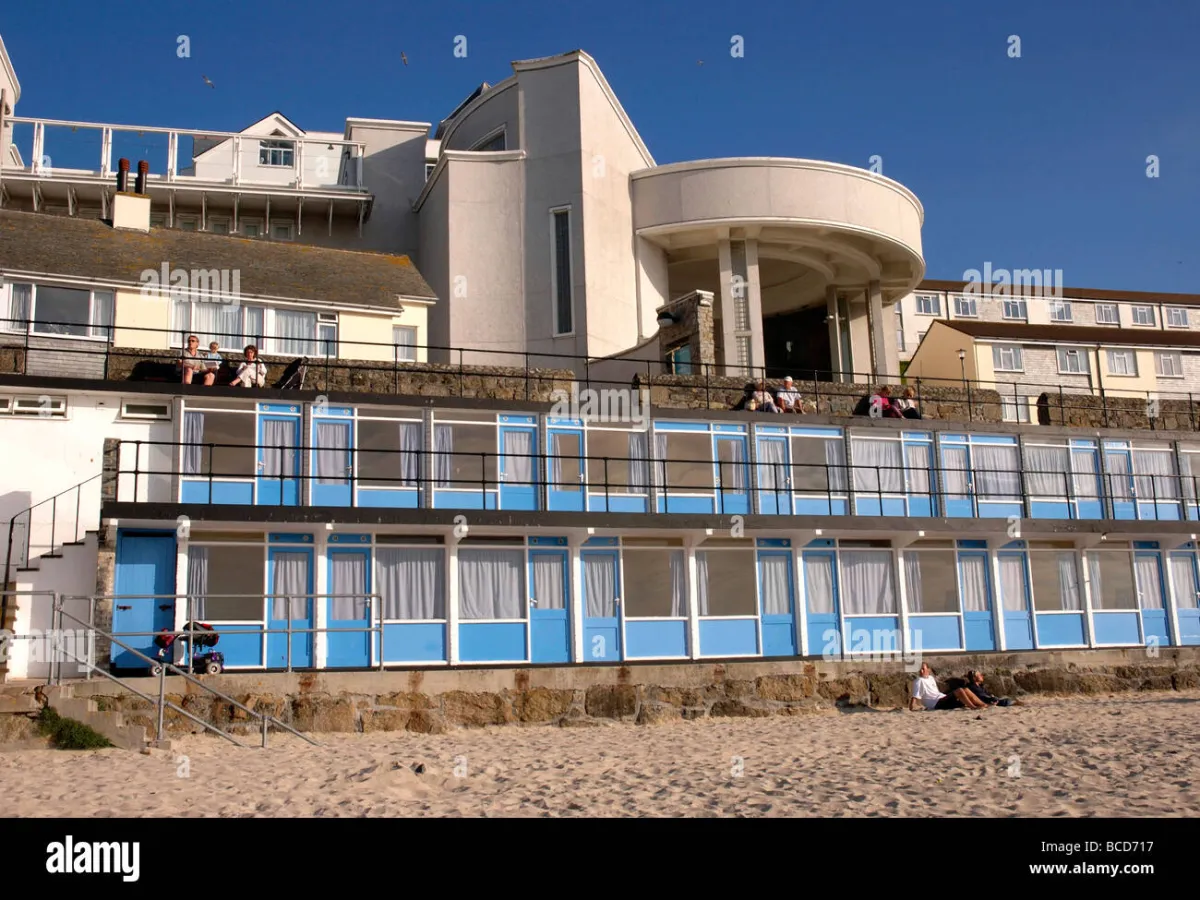 Photo: St Ives, via c8.alamy.com
"The fabric holds memory in ways that photographs never could," Pascoe reflects. "When someone wears one of my pieces, they're not just wearing clothing – they're wearing the sea itself."
This isn't nostalgia for its own sake. These makers understand that in an era of global homogenisation, local stories become acts of resistance. Each quilt-inspired garment becomes a manifesto: this place matters, these stories deserve to survive, this craft has value beyond mere decoration.
The Radical Act of Slow Making
In Edinburgh's Old Town, Highland weaver Morag MacLeod has spent three years creating a single cape from fabric fragments collected during walks across Scotland's most remote landscapes. Wool from abandoned crofts mingles with silk from Victorian ballgowns found in castle attics, whilst patches of Harris Tweed carry the stories of weavers whose names history forgot.
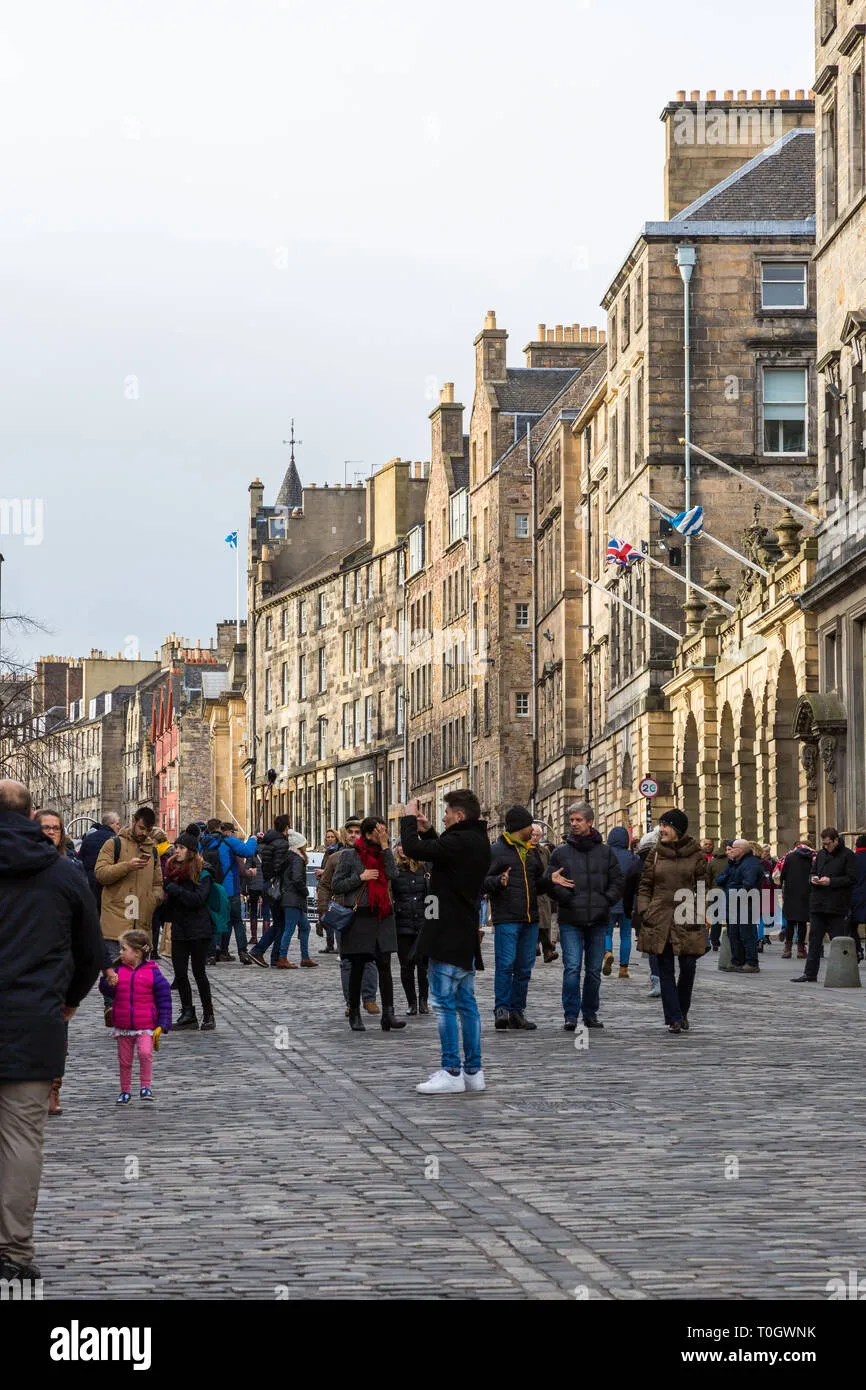 Photo: Edinburgh's Old Town, via c8.alamy.com
"Fast fashion teaches us that clothes are disposable," MacLeod observes. "But what if we treated each garment as a sacred object? What if getting dressed became an act of communion with all the hands that touched these fabrics before us?"
This philosophy extends beyond individual makers. Across Britain, quilting circles are transforming into radical collectives, sharing techniques that prioritise story over speed, meaning over mass production. In Birmingham's Jewellery Quarter, the Patchwork Collective runs workshops where participants learn to read the hidden histories embedded in vintage fabrics – the fading perfume in a 1960s dress, the chalk marks from a tailor's workshop, the tiny repairs that speak of decades of careful mending.
Beyond Decoration: Fashion as Archive
What makes this movement particularly compelling is its rejection of patchwork as mere aesthetic choice. These aren't clothes designed to look vintage – they are vintage, reanimated and given new life through radical reimagining. In Liverpool's Baltic Triangle, artist collective Thread Memory creates garments from fabrics donated by local families, each piece carrying the DNA of the city's maritime heritage.
"We're not making fashion," explains collective member Zara Ahmed. "We're making wearable archaeology. Every thread connects you to someone else's story."
This approach transforms the act of getting dressed from routine into ritual. When you pull on a jacket made from fragments of your grandmother's curtains, or wrap yourself in a scarf woven from wool that once clothed Pennine farmers, you're participating in something far more profound than personal style.
The Future of Remembrance
As Britain grapples with questions of identity and belonging, these textile storytellers offer an alternative narrative. Rather than looking backwards with sentimentality, they're creating a future where memory becomes portable, where heritage travels in the drape of a skirt or the weight of a coat.
Their work challenges the fashion industry's obsession with the next season, the next trend, the next must-have piece. Instead, they offer something infinitely more valuable: clothes that deepen with time, that carry the stories of everyone who wore them before, that transform the wearer into a walking library of human experience.
In an age of digital everything, these makers remind us that some stories can only be told through touch – the rough texture of homespun wool, the silk-soft whisper of a Victorian petticoat, the sturdy weight of canvas that once caught Atlantic winds.
Perhaps this is fashion's future: not the endless cycle of consumption and disposal, but garments that accumulate meaning like rings on a tree, each wear adding another layer to their story. In the hands of Britain's patchwork pioneers, getting dressed becomes an act of radical remembrance – a quiet revolution, one stitch at a time.