The Aristocratic Awakening
Something extraordinary is stirring in the wardrobes of Britain's most discerning fashion lovers. Whilst the masses queue for fast fashion fixes, a quietly revolutionary movement is drawing inspiration from an unexpected source: the grand country houses that dot our landscape like forgotten jewels. From the tapestry-lined corridors of National Trust properties to the candlelit libraries of privately-owned estates, these architectural marvels are becoming the unlikely muses for a new generation of romantic dressing.
This isn't about donning period costume or playing dress-up in your great-aunt's attic finds. Instead, it's a sophisticated translation of aristocratic elegance into contemporary pieces that carry the whisper of history whilst remaining utterly wearable for modern British life.
Decoding the Country House Aesthetic
Step into any great British country house and you'll immediately understand the magnetic pull. The interplay of rich textures – velvet curtains against oak panelling, Persian rugs warming flagstone floors, oil paintings casting shadows in golden light – creates an atmosphere of layered luxury that speaks to something deeper than mere materialism.
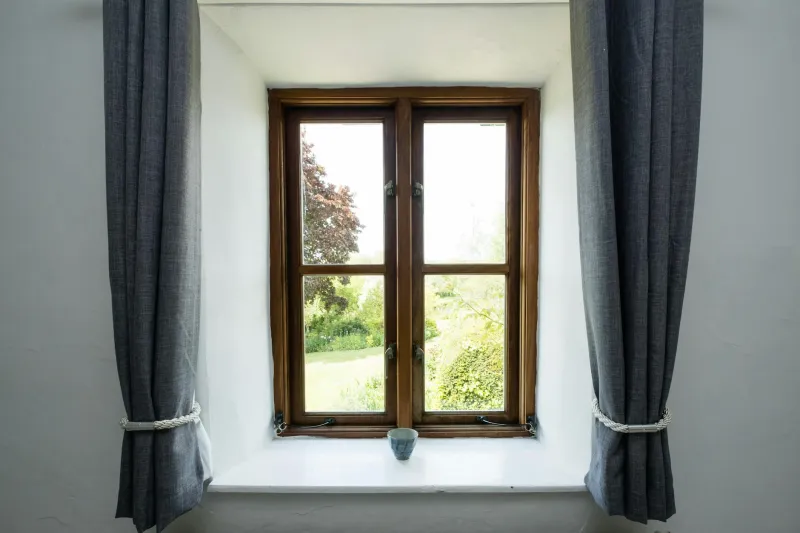
Independent British designers are capturing this essence through carefully chosen details: the way light filters through diamond-paned windows inspiring sheer overlays with geometric cutwork; the patina of aged copper inspiring burnished metallic threads woven through autumn knits; the romance of secret gardens glimpsed through French doors translating into botanical embroidery that seems to grow organically across fabric surfaces.
Brands like Simone Rocha and Erdem have long understood this language, but now smaller boutique labels are making these influences accessible to those of us who don't have trust funds or invitations to weekend house parties in the Cotswolds.
The Texture Treasury
Country house interiors are masterclasses in tactile luxury, and this is where the current fashion movement finds its strongest foundation. Think beyond the obvious tweed and tartan – though both have their place in this narrative. Instead, consider the sumptuous weight of velvet curtains that have hung for decades, developing a particular drape that can only come with time.
Contemporary interpretations might include crushed velvet blazers in deep jewel tones, worn over simple silk camisoles for evening drinks in Marylebone wine bars. Or perhaps wide-leg trousers in heavy cotton that moves like the linen sheets aired in grand four-poster beds, paired with chunky heritage knits for countryside walks that could just as easily navigate Shoreditch streets.
The key lies in understanding that country house luxury was never about obvious logos or flashy displays – it was about quality that revealed itself through touch, through the way fabric moved, through the subtle play of light across surfaces.
Colour Stories from the Drawing Room
The colour palettes emerging from this movement tell stories of rooms that have evolved over centuries. Deep forest greens that speak of libraries lined with leather-bound first editions; warm terracotta inspired by morning light on Elizabethan brick; the particular shade of blue found in Chinese export porcelain that graced dining room sideboards for generations.
These aren't the aggressive brights of contemporary fashion weeks, but rather colours that have depth and complexity – shades that look different in candlelight than they do in the harsh fluorescence of office buildings. Independent designers are translating these nuanced palettes into pieces that work beautifully in British light, whether you're navigating the grey skies of a Manchester morning or catching the golden hour in a Brighton café.
Making It Wearable: The Modern Translation
The genius of this movement lies not in literal interpretation but in emotional translation. You don't need to dress like the Dowager Countess to channel country house elegance – instead, it's about understanding the underlying principles and adapting them to contemporary life.
Start with silhouettes that have a sense of occasion without being overly formal. Think wide-leg trousers that pool slightly at the ankle, reminiscent of the flowing lines of period portraits, paired with fitted bodices that nod to historical corsetry without sacrificing comfort. Layer textures thoughtfully – perhaps a silk slip dress under a chunky cardigan, creating the same kind of rich contrast you'd find in a grand entrance hall where modern comfort meets historical grandeur.
Accessories become particularly important in this aesthetic. Look for pieces that tell stories: antique brooches repositioned on contemporary lapels, vintage silk scarves used as hair accessories, or heritage jewellery that carries the weight of history without feeling museum-bound.
The Independent Advantage
What makes this movement particularly exciting is how it's being driven by independent British designers and boutique labels who understand nuance in ways that mass market fashion simply cannot. These creators have the freedom to work with unusual textures, to develop colours that don't exist in fast fashion palettes, and to create pieces that reward closer inspection.
Shopping this aesthetic means seeking out brands that prioritise craftsmanship over quantity, who understand that true luxury lies in details that reveal themselves over time rather than shouting for immediate attention. It's fashion for those who appreciate that the most interesting rooms in any country house are often the ones you discover by accident, tucked away from the main tour route.
Living the Country House Dream
Ultimately, this movement represents something larger than fashion trends – it's about reclaiming a sense of romance and grandeur in our daily lives, even when those lives are lived in city flats rather than ancestral estates. It's about understanding that true style transcends circumstances, that you can carry yourself with aristocratic grace whether you're boarding the Northern Line or walking through Hyde Park.
The country house aesthetic offers us permission to embrace drama, to choose quality over quantity, and to dress as though our lives contain the possibility of unexpected invitations to mysterious gatherings in candlelit libraries. In a world that often feels increasingly disposable, there's something deeply appealing about fashion that suggests permanence, history, and the kind of quiet confidence that comes from knowing you're wearing something truly special.
After all, isn't that what every truly enchanted wardrobe should offer – the promise that magic might be waiting just around the next corner?