The Weight of Inheritance
Every British family has them: the jewellery boxes passed down like sacred relics, filled with pieces that carry more emotional weight than actual gold. Your great-aunt's Art Deco brooch. Your grandmother's engagement ring that never quite fitted anyone since. That peculiar Victorian mourning locket that everyone's slightly afraid to open.
These inherited treasures often live in a strange liminal space—too precious to discard, too loaded with someone else's story to wear comfortably. But what if we've been thinking about this all wrong? What if these pieces aren't meant to be preserved unchanged, but rather reactivated, reimagined, and rewoven into our own narratives?
The Mythology of Memory
British jeweller and inheritance specialist Emma Thornfield has spent fifteen years helping people navigate this delicate terrain. "The mistake people make," she explains from her workshop in Edinburgh's Grassmarket, "is thinking they need to wear these pieces exactly as they were intended. But jewellery has always been about transformation—metals melted down, stones reset, meanings reimagined."
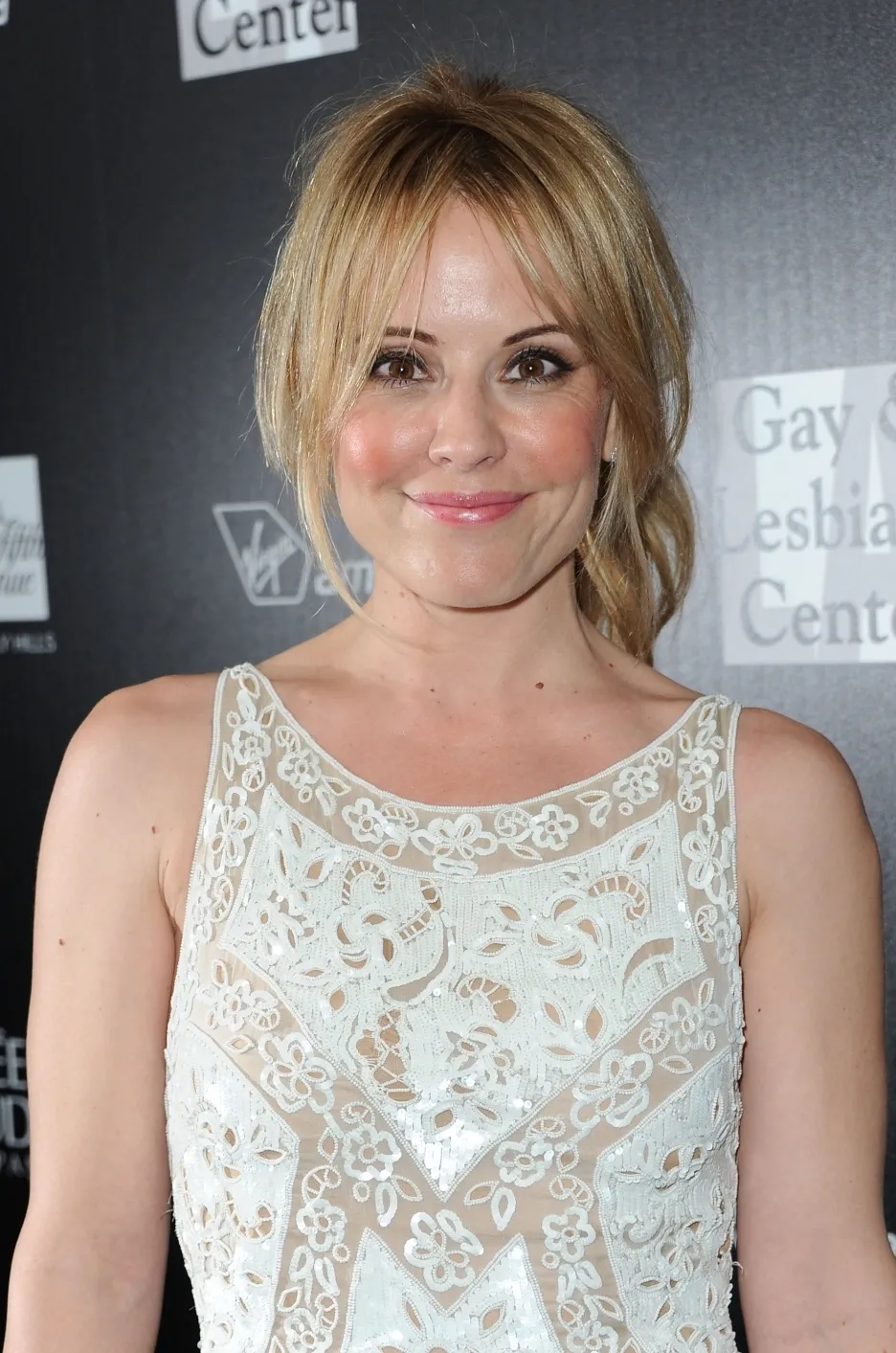 Photo: Emma Thornfield, via static.wikia.nocookie.net
 Photo: Edinburgh's Grassmarket, via c8.alamy.com
She shows me a stunning contemporary necklace that began life as three separate Victorian pieces: a mourning brooch, a charm bracelet, and a pair of earrings, all inherited from different relatives. "The client felt overwhelmed by wearing any of them individually—too much history, too much pressure to be someone she wasn't. But combined and reimagined, they became something entirely new while still honouring their origins."
Reading the Emotional Landscape
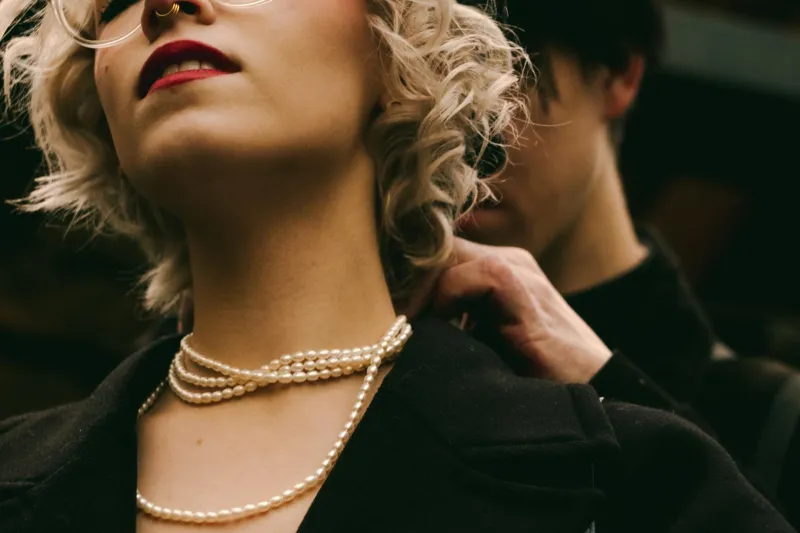
Before you even think about styling inherited jewellery, you need to understand your relationship with it. Some pieces arrive with joy—your grandmother's wedding pearls that remind you of Sunday dinners and gentle hands braiding your hair. Others carry heavier burdens: the engagement ring from a marriage that ended badly, the brooch that reminds you of a relative you never quite understood.
"Start with how the piece makes you feel," advises London-based stylist Priya Chen, who specialises in emotional dressing. "If it makes you feel small, overwhelmed, or like you're playing dress-up in someone else's life, that's information. But if it makes you feel connected, protected, or somehow more yourself—that's your starting point."
The Art of Layered Storytelling
The secret to successfully wearing inherited jewellery isn't to let it dominate your look, but to weave it into your existing style vocabulary. Think of it as adding a line of poetry to a story you're already telling.
Take vintage charm bracelets—those jingling chronicles of mid-century holidays and achievements that many British women inherit from mothers and aunts. Instead of wearing the entire bracelet (which can feel overwhelming and dated), consider removing individual charms and incorporating them into contemporary pieces. A single charm on a modern chain becomes a subtle nod to family history rather than a costume.
Contemporary Alchemy
Some of the most successful inherited jewellery styling happens when you're willing to think beyond traditional presentations. That heavy Victorian brooch doesn't have to live on a lapel—it might find new life pinned to a leather jacket, used as a hair ornament, or even incorporated into a hat.
Jewellery designer Marcus Webb, whose London studio specialises in "inheritance reimagining," suggests thinking of inherited pieces as components rather than complete statements. "I had a client with her grandmother's 1950s cocktail ring—beautiful but unwearably large for daily life. We removed the central stone and created three smaller rings, each incorporating elements of the original setting. She could wear one for everyday, two for special occasions, or all three when she really wanted to channel her grandmother's glamour."
 Photo: Marcus Webb, via delancey.com
The Protection Ritual
There's something uniquely powerful about wearing jewellery that has been worn by women who loved you. Many cultures recognise this—the idea that objects can carry protective energy, that wearing your grandmother's ring isn't just about memory but about carrying her strength with you.
Stylist and writer Amara Okafor has built a practice around this concept. "I encourage clients to create little rituals around inherited pieces," she explains. "Maybe you only wear your mother's earrings when you need courage for important meetings. Maybe your great-aunt's brooch becomes your 'power piece' for special occasions. It's about creating new associations while honouring old ones."
Modern Mourning, Contemporary Comfort
Victorian mourning jewellery presents particular challenges for contemporary wearers. These pieces—often featuring hair work, black enamel, or memorial inscriptions—can feel too heavy, too morbid for modern life. But approached thoughtfully, they can become powerful talismans of continuity and connection.
The key is context and confidence. A Victorian mourning brooch might feel overwhelming on a delicate blouse but could be striking against a simple black jumper or pinned to a denim jacket. The contrast between the piece's historical gravity and contemporary casualness can create something unexpectedly beautiful.
Building Your Inheritance Style
Start small. Choose one inherited piece that speaks to you—not the most valuable or historically significant, but the one that makes you feel something positive. Experiment with wearing it in different ways, with different outfits, in different contexts.
Pay attention to how it changes your posture, your confidence, your sense of self. Good inherited jewellery should make you feel more like yourself, not less. If a piece consistently makes you feel uncomfortable or inauthentic, that's valuable information too.
The Living Legacy
The most successful approach to inherited jewellery treats these pieces as living things rather than museum artifacts. They're meant to be worn, to collect new stories, to become part of your story rather than simply preserving someone else's.
Consider having pieces altered if necessary. A too-large ring can be resized. A too-formal brooch can be reimagined as a pendant. Earrings can be converted to a necklace. The goal isn't preservation but continuation—allowing these pieces to continue their journey rather than ending it.
Your Ancestors, Your Style
Ultimately, the art of wearing inherited jewellery successfully comes down to understanding that honouring the past doesn't mean being trapped by it. Your grandmother's pearls don't need to turn you into your grandmother—they can help you become more fully yourself.
These pieces carry forward not just precious metals and stones, but love, intention, and the accumulated wisdom of women who wore them before you. When you find the right way to incorporate them into your contemporary life, you're not just accessorising—you're participating in an ongoing conversation between past and present, creating a style that's both deeply personal and beautifully connected to something larger than yourself.
The ghosts in your jewellery box aren't haunting you—they're waiting to help you shine.