The Magic Hour That Fashion Forgot
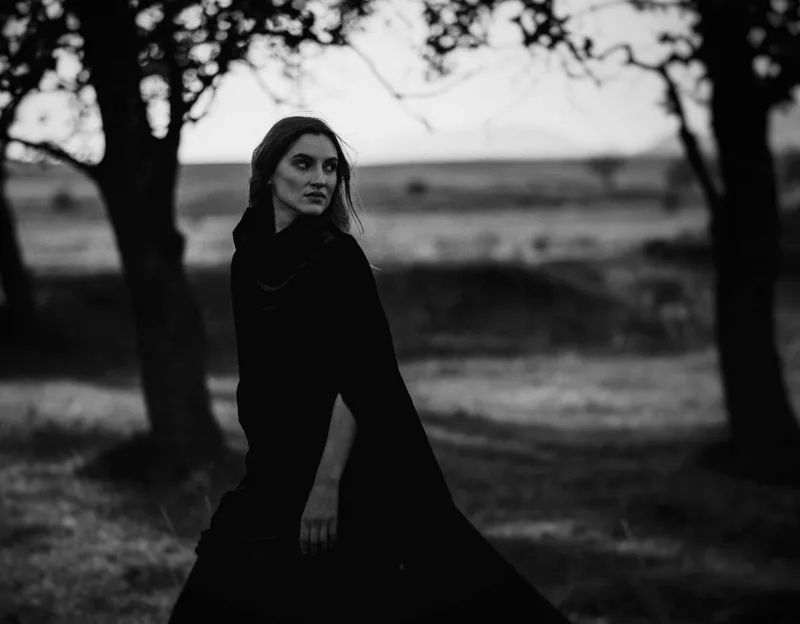
There's a moment each evening when the British sky performs its most extraordinary trick. Not quite day, not yet night—this liminal space between light and shadow has captivated storytellers for centuries. The Scandinavians call it 'elf hour,' that mystical threshold when folklore insists the veil between worlds grows thin enough for magic to slip through.
Whilst most of us rush past this daily metamorphosis, Britain's most visionary independent designers have begun to pause, to study, to translate this ephemeral beauty into something you can actually wear. The result? A quiet revolution in British fashion that's as impossible to pin down as twilight itself.
When Fabric Becomes Alchemy
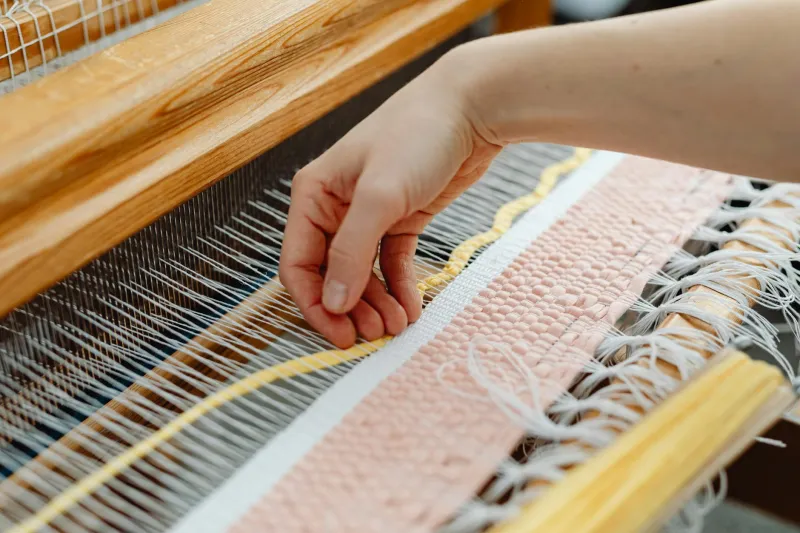
Step into any atelier worth its creative salt these days, and you'll find designers obsessing over materials that seem to breathe with their own inner light. Take Manchester-based textile artist Sarah Chen, whose silk-wool blends catch the light like captured mist. Her fabrics don't simply reflect illumination—they seem to generate it from within, shifting from pewter to lavender to deep indigo depending on your angle of approach.
This isn't accident; it's alchemy. The elf hour aesthetic demands fabrics that refuse to be categorised, that exist in the spaces between traditional textile definitions. Iridescent taffetas that whisper between purple and green. Metallic threads woven so subtly through matte surfaces that they appear only when the light hits just so. Velvet burnout techniques that create patterns visible only in certain conditions—there one moment, gone the next.
The key lies in understanding that true elf hour fashion doesn't shout its magic. It murmurs it, like secrets shared between old friends.
The Palette of Possibility
Forget everything you think you know about seasonal colour theory. The elf hour operates on entirely different principles, drawing from that brief window when the British sky becomes a watercolour study in impossibility. We're talking about colours that don't have proper names—that moment when grey becomes lavender, when gold dissolves into rose, when the deepest blue still holds traces of daylight's amber.
London designer Marcus Webb has built his entire autumn collection around what he calls 'threshold colours'—shades that exist only in transition. His signature pieces feature gradual colour bleeds that mirror the sky's own transformation, with garments that seem to shift their entire personality as lighting conditions change throughout an evening.
"I'm not interested in colours that declare themselves," Webb explains. "I want colours that make you look twice, that make you question what you're actually seeing. That's where the real magic lives."
Silhouettes That Dance Between States
The elf hour aesthetic extends beyond surface into structure itself. These aren't clothes designed for harsh fluorescent office lighting or the unforgiving glare of midday sun. Instead, they're crafted for that magical hour when shadows lengthen and ordinary objects begin to look otherworldly.
Think flowing lines that blur the distinction between fitted and loose. Asymmetrical hems that create movement even when you're standing still. Layering techniques that add and subtract visual weight depending on your position relative to available light. These are garments designed to be glimpsed rather than stared at, to create intrigue rather than making bold statements.
Edinburgh-based designer Fiona MacLeod has mastered this approach with her 'Shifting Silhouettes' collection—pieces that appear completely different when viewed from various angles. A jacket that looks structured and businesslike from the front reveals flowing, almost cape-like qualities from behind. A dress that seems demure in profile becomes dramatically sculptural when seen head-on.
Building Your Own Threshold Wardrobe
Capturing elf hour magic in your personal style doesn't require a complete wardrobe overhaul. Instead, it's about understanding the power of strategic mystery. Start with one piece that embodies this liminal quality—perhaps a blouse in silk that shifts between charcoal and plum, or a skirt with subtle metallic threading that catches light unexpectedly.
Layer textures that interact interestingly with each other. Matte cotton beneath glossy satin. Rough wool paired with liquid jersey. The goal isn't contrast for its own sake, but rather the creation of visual depth that reveals itself gradually, like secrets whispered in twilight.
Pay attention to how your pieces perform in different lighting conditions. That jacket that looks ordinary under harsh department store lighting might transform into something magical in the soft glow of evening. The elf hour aesthetic is as much about timing and context as it is about the clothes themselves.
The Future of In-Between Fashion
As British fashion continues to embrace more nuanced approaches to beauty and style, the elf hour aesthetic represents something profound—a rejection of fashion's tendency toward the obvious and declarative. In a world of fast fashion and instant gratification, there's something revolutionary about clothes that require patience to fully appreciate.
This isn't about following trends or making statements. It's about understanding that the most powerful fashion moments often happen in the spaces between—between day and night, between seasons, between who we are and who we might become. Like the elf hour itself, this approach to style is fleeting, precious, and utterly transformative for those wise enough to recognise its magic.
Perhaps that's the real lesson of liminal fashion: sometimes the most extraordinary things happen not in the full light of day, but in those precious moments when the world holds its breath between one state and another.