The Threads That Bind Us
Walk through any high street today, and you'll find yourself surrounded by garments with no story to tell—mass-produced pieces that could have been made anywhere, by anyone, for no one in particular. But venture beyond the familiar retail landscape, and you'll discover something remarkable happening: a quiet revolution where ancient British textile traditions are being lovingly revived and reimagined for contemporary wardrobes.
This isn't about nostalgia or costume play. This is about reconnecting with the profound artistry that once defined British fashion, and discovering how these time-honoured techniques can create clothing that feels both deeply rooted and utterly modern.
The Poetry of Welsh Tapestry
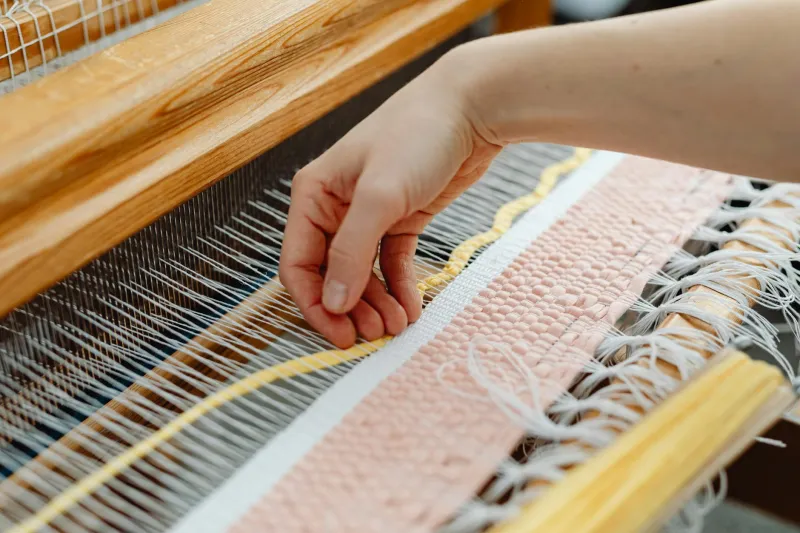
In the valleys of Wales, a tradition that once clothed entire communities is experiencing an unexpected revival. Welsh tapestry weaving, with its distinctive geometric patterns and rich colour palette, was nearly lost to industrialisation. But contemporary makers are rediscovering the meditative rhythm of the loom and the unique beauty of hand-woven cloth.
Designers like Melin Tregwynt are creating stunning contemporary pieces that honour traditional patterns whilst feeling thoroughly modern. Their wool blankets become dramatic capes, their tapestry cloth transforms into structured jackets that carry the weight of history in every thread.
The appeal lies not just in the visual impact—though the bold patterns and rich colours are undeniably striking—but in the knowledge that each piece represents hours of careful handwork. When you wear a jacket crafted from authentic Welsh tapestry, you're carrying forward a tradition that connects you to generations of skilled artisans.
Harris Tweed: The Hebridean Renaissance
Perhaps no British textile tradition has experienced such a dramatic revival as Harris Tweed. Once associated primarily with country estates and shooting jackets, this hand-woven cloth from the Outer Hebrides has found new life in contemporary fashion.
The magic of Harris Tweed lies in its provenance—by law, it can only be woven in the homes of islanders using pure virgin wool dyed and spun in the Outer Hebrides. Each piece carries the salt air and wild beauty of its landscape, along with the individual character of its weaver.
Modern designers are embracing Harris Tweed's versatility, creating everything from sharply tailored blazers to flowing skirts that move like liquid stone. The cloth's natural water resistance and incredible durability mean these pieces improve with age, developing character and patina that mass-produced fabrics simply cannot achieve.
Look for contemporary pieces that play with Harris Tweed's traditional patterns—perhaps a mini skirt in classic herringbone, or a bomber jacket that juxtaposes the ancient cloth with modern silhouettes. These pieces work beautifully in urban settings, bringing a touch of wild Scottish landscape to city streets.
Nottingham Lace: The Industrial Romantic
The story of Nottingham lace is one of industrial innovation meeting artistic tradition. Once the lace capital of the world, Nottingham's machine-made lace democratised what had previously been a luxury available only to the wealthy. Today, the few remaining lace manufacturers are creating pieces that celebrate both the technical mastery and romantic beauty of this unique craft.
Contemporary designers are using Nottingham lace in unexpected ways—not just for lingerie and evening wear, but for everyday pieces that bring a touch of romance to modern dressing. Think lace-trimmed knitwear, delicate lace panels in structured blazers, or full lace skirts paired with chunky boots for an intriguingly contradictory aesthetic.
The key to wearing modern lace pieces lies in balancing their inherent femininity with stronger, more architectural elements. A delicate lace top gains edge when paired with leather trousers; a flowing lace skirt becomes contemporary when worn with a crisp white shirt and statement trainers.
The Liberty Legacy
No discussion of British textile tradition would be complete without acknowledging Liberty's extraordinary contribution to print design. The iconic Tana Lawn cotton, with its distinctive hand-drawn florals and art nouveau influences, represents over a century of design excellence.
Whilst Liberty prints have never truly gone out of fashion, contemporary designers are finding fresh ways to incorporate these timeless patterns into modern wardrobes. Look for pieces that use Liberty prints in unexpected contexts—perhaps a sharp blazer in classic paisley, or wide-leg trousers in delicate floral print.
The beauty of Liberty prints lies in their complexity and artistry. These aren't simple patterns but intricate compositions that reward close inspection. When you wear a genuine Liberty print, you're participating in a design tradition that has influenced fashion worldwide.
Shetland's Woolly Wonders
The Shetland Islands have given the world some of its finest wool traditions, from the impossibly fine Shetland lace to the robust beauty of Fair Isle knitting. These techniques, developed to withstand harsh northern climates, create pieces that are both beautiful and supremely functional.
Contemporary knitwear designers are reimagining traditional Shetland techniques for modern life. Fair Isle patterns appear on everything from cropped jumpers to maxi dresses, whilst the delicate openwork of Shetland lace inspires contemporary pieces that feel both precious and wearable.
The appeal of Shetland-inspired pieces lies in their perfect marriage of beauty and practicality. These are clothes designed to be lived in, to improve with wear, and to provide both physical and emotional warmth.
Wearing History Forward
The revival of British textile traditions represents more than just a fashion trend—it's a rejection of throwaway culture and an embrace of craftsmanship, sustainability, and cultural connection. When you choose pieces that honour these traditions, you're making a statement about what you value.
But how do you incorporate these heritage pieces into a contemporary wardrobe without looking like you're heading to a heritage theme park? The key lies in mixing traditional elements with modern silhouettes and contemporary styling.
Pair a traditional Harris Tweed blazer with sleek black trousers and statement jewellery. Wear a Welsh tapestry coat over a simple black dress and ankle boots. Mix Liberty prints with solid colours and modern accessories.
The Future of British Craft
What's particularly exciting about this revival is how contemporary makers are pushing these traditions forward whilst respecting their origins. They're experimenting with new colour palettes, adapting traditional patterns for modern silhouettes, and finding innovative ways to make heritage techniques relevant for contemporary life.
This isn't about living in the past—it's about carrying the best of our textile heritage into the future. When you invest in pieces that honour British craft traditions, you're supporting not just individual makers but entire communities and ways of life.
The result is clothing that tells stories, pieces that connect you to place and tradition whilst feeling thoroughly modern. In a world of fast fashion and disposable trends, these garments offer something increasingly rare: authenticity, beauty, and the deep satisfaction that comes from wearing something made with genuine skill and care.
So the next time you're building your wardrobe, consider seeking out pieces that carry these ancient stories forward. Because the most beautiful clothes aren't just about how they look—they're about the traditions they honour and the futures they help create.