Beyond Fast Fashion's Spell: The Rise of Britain's One-Piece Philosophy
Something profound is shifting in British wardrobes. Across the country, women are stepping away from the relentless cycle of seasonal purchasing and embracing what I call the "one-piece philosophy"—the radical act of choosing a single, extraordinary garment over multiple ordinary ones. This isn't about minimalism for its own sake, but about recognising that true style is measured not in quantity but in the depth of connection we feel to what we wear.
The Psychology of the Singular
When 34-year-old architect Sarah Chen from Manchester decided to invest her entire annual clothing budget in one bespoke wool coat from a Yorkshire artisan, friends questioned her sanity. "They couldn't understand spending £800 on one piece," she recalls, stroking the perfectly tailored sleeve that's become her signature. "But I calculated I'd spent nearly that much the previous year on coats I barely wore. This one makes me feel like the best version of myself every single day."
Chen's story illuminates the psychological shift happening across Britain. The dopamine hit of frequent purchases is being replaced by something more sustaining—the deep satisfaction of owning something truly special. Psychologist Dr. Rebecca Hartwell, who studies consumer behaviour at University College London, explains: "We're seeing a move away from acquisition as entertainment towards acquisition as investment in identity. People are asking not 'what can I buy?' but 'what do I want to become?'"
The Heirloom Hunters
This isn't about buying expensive for its own sake, but about seeking pieces with what vintage dealer and style consultant Emma Fortescue calls "inheritance potential." From her Notting Hill showroom, Fortescue guides clients towards pieces that will gain rather than lose meaning over time.
"I see women in their thirties and forties who've grown tired of disposable fashion's empty promises," she observes. "They're looking for pieces their daughters might treasure, items that tell stories rather than simply fill space. It's a complete reversal of the fast fashion mindset."
The movement spans generations and budgets. University student Priya Patel saved for eighteen months to buy a hand-knitted Aran jumper from a traditional maker in the Outer Hebrides. "My friends thought I was mad spending my summer job money on one jumper," she laughs. "But I wear it constantly. It's like wearing a hug from someone who really understands craft. Every stitch was placed with intention."
The Artisan Connection
Independent makers across Britain report a fundamental change in how customers approach their work. Instead of browsing for impulse purchases, clients arrive with clear intentions and deeper budgets, seeking pieces that justify significant investment.
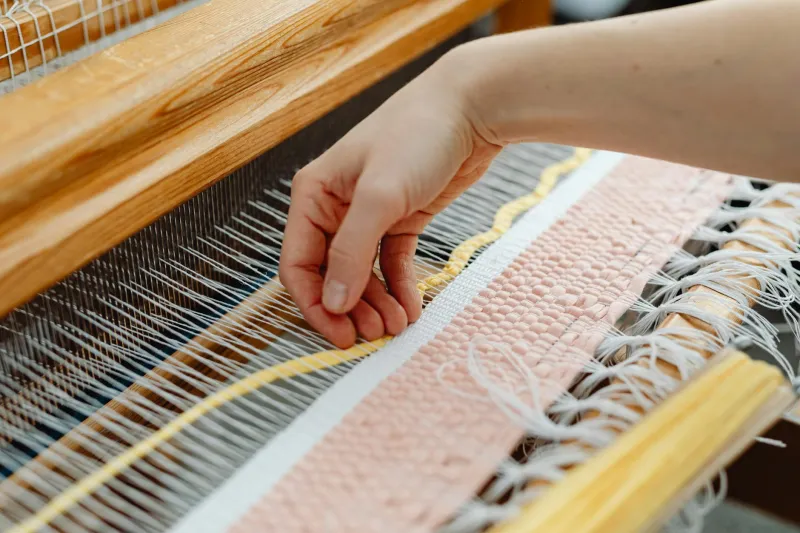
"The conversation has completely changed," notes textile artist Flora MacDougall, whose hand-woven scarves sell for upwards of £300 from her Orkney studio. "Five years ago, people wanted to know about care instructions and durability. Now they ask about the story—which sheep provided the wool, how long each piece takes to create, whether it will age beautifully. They're investing in narrative, not just clothing."
This shift benefits both makers and buyers. Artisans can focus on creating fewer, better pieces whilst charging prices that reflect true value. Customers receive items that justify their cost through longevity, beauty, and emotional resonance.
The Economics of Intentionality
The mathematics of the one-piece philosophy reveal fast fashion's hidden costs. Marketing executive James Wright from Edinburgh calculated that his wife's annual clothing expenditure—spread across multiple high-street purchases—could instead fund one exceptional piece from a Scottish cashmere house.
"When we added up all the impulse buys, the trend pieces worn twice, the 'bargains' that weren't really bargains, we realised we were spending serious money on forgettable fashion," Wright explains. "Now Helen buys one beautiful piece each season. She wears everything more, enjoys getting dressed more, and ironically has more compliments on her style than ever before."
Financial advisor turned style consultant Charlotte Pemberton helps clients restructure their fashion spending. "I encourage women to think about cost-per-wear over decades rather than seasons," she explains. "A £600 dress worn fifty times costs £12 per wear. Most of my clients discover they're already spending that much on pieces they wear far less frequently."
The Ritual of Choice
Choosing one extraordinary piece requires a different approach to shopping entirely. Gone is the quick browse, the impulse purchase, the mindless accumulation. Instead, the process becomes research, consideration, sometimes pilgrimage.
London-based photographer Maya Singh spent six months researching before commissioning a leather jacket from a traditional maker in Northampton. "I visited the workshop, met the craftsman, understood every step of the process," she recalls. "By the time I made the purchase, I already loved the piece. It felt like adopting rather than acquiring."
This extended courtship period serves multiple purposes. It ensures purchases align with genuine need and desire rather than momentary impulse. It builds appreciation for craftsmanship and story. Most importantly, it creates emotional investment that transforms a transaction into a relationship.
Quality Versus Quantity Culture
The one-piece philosophy represents broader cultural shifts beyond fashion. In an era of information overload and choice paralysis, the idea of selecting one excellent option over many mediocre ones resonates across lifestyle categories. It's about curation over accumulation, depth over breadth, intention over impulse.
"We're seeing this in everything from home decor to holiday choices," observes cultural commentator Dr. Amelia Richardson. "People are exhausted by endless options and finding peace in conscious limitation. It's not about having less, but about having better."
The Environmental Dividend
Whilst environmental concerns aren't the primary driver for most one-piece adopters, the ecological benefits are significant. Fewer purchases mean reduced manufacturing impact, less packaging waste, decreased transportation emissions. More importantly, buying pieces designed to last decades rather than seasons directly challenges the planned obsolescence model that drives environmental destruction.
"The most sustainable garment is the one you keep wearing," notes sustainable fashion advocate Dr. Clare Patterson. "When people invest in pieces they genuinely love, they naturally consume less whilst enjoying their clothes more. It's environmental responsibility that doesn't feel like sacrifice."
The Future of Fashion Consumption
As the one-piece philosophy gains momentum, it's reshaping retail expectations. Independent boutiques report customers seeking deeper product knowledge, maker stories, and quality guarantees. The quick transaction is being replaced by consultative relationships.
"Customers want to understand what makes a piece special," observes boutique owner Sophia Williams, whose Brighton shop specialises in artisan-made clothing. "They're willing to pay more, but they expect transparency about materials, construction, and the maker's story. It's retail as education rather than mere transaction."
This evolution suggests a future where fashion retail becomes more like art dealing—focused on curation, expertise, and building collections that reflect personal vision rather than seasonal trends.
Embracing the Extraordinary
The one-piece philosophy isn't about deprivation but about recognising that extraordinary pieces provide satisfaction impossible to achieve through accumulation of ordinary ones. It's about understanding that style—real style—comes from the confidence of wearing something truly special, something chosen with intention and worn with pride.
In a world overwhelmed by choice, the decision to choose one perfect piece over many acceptable ones becomes an act of rebellion, a statement of values, a path towards deeper satisfaction with both our wardrobes and ourselves. It's fashion philosophy for those who understand that less can indeed be more, but only when that less is truly extraordinary.