The Tyranny of Fashion's False Seasons
Every February, as Britain shivers under grey skies and the daffodils are still weeks away from blooming, fashion magazines bombard us with 'spring' collections featuring pastel linens and bare shoulders. Meanwhile, come August—when we're finally experiencing something resembling summer—the shops are already pushing heavy knits and 'autumn' trends. This disconnect between fashion's artificial calendar and Britain's actual climate isn't just frustrating—it's completely missing the point of what seasonal dressing should be.
The fashion industry's obsession with staying ahead of the weather has created a system that ignores the subtle, magical progression of Britain's true seasons. But there's an older, wiser way of marking time that offers a far richer framework for how we dress: the ancient Celtic calendar that our ancestors used to navigate the year.
Rather than the crude binary of hot/cold seasons that dominates retail, the Celtic year recognises eight distinct moments of transition, each with its own energy, light quality, and natural inspiration. For those of us seeking a more intuitive relationship with our wardrobes, these ancient festivals offer a roadmap to dressing that actually makes sense in the British climate.
Imbolc: The First Whisper of Change
Imbolc, celebrated around February 1st, marks the earliest stirrings of spring—not the fantasy spring of fashion magazines, but the real, tentative emergence from winter's grip. This is the moment when days become noticeably longer, when snowdrops push through frozen ground, and when there's the faintest suggestion of warmth in the afternoon sun.
This is the perfect time to introduce the first hints of lighter colours into your wardrobe, but thoughtfully. Think cream wool jumpers that echo the snowdrops, soft grey cashmere that mirrors the still-overcast skies, or the palest possible green—not the vibrant emerald of high summer, but the tentative shade of new growth.
Imbolc dressing is about layering with intention. A heavy coat over a lighter cardigan, boots that can handle mud but aren't quite as sturdy as your January stompers. It's about acknowledging change while respecting the reality that winter isn't finished with us yet.
Spring Equinox: Balance and Possibility
The Spring Equinox in March represents perfect balance—day and night of equal length, winter and summer poised in equilibrium. This is when British weather becomes genuinely unpredictable, capable of delivering snow, sunshine, and torrential rain within the same afternoon.
Equinox dressing demands versatility above all else. This is the season for transitional pieces that can adapt: trench coats that work over both heavy jumpers and light dresses, scarves that can be worn or easily removed, shoes that can handle both puddles and sudden dry spells.
Colour-wise, think of the tentative beauty of British spring: the soft yellow of primroses, the delicate pink of cherry blossoms, the fresh green of new leaves. These aren't the bold, confident colours of high summer—they're gentle, hopeful shades that acknowledge spring's fragility.
Beltane: The Celebration of Growth
Beltane, celebrated on May 1st, is when Britain finally commits to spring. The hawthorn is blooming, the days are genuinely warm, and there's an energy in the air that feels like pure possibility. This is when you can finally pack away the heavy coats and embrace the lighter side of your wardrobe.
Beltane is the perfect time for florals—not the tropical prints that dominate high street 'spring' collections, but patterns inspired by British wildflowers. Think delicate liberty prints, embroidered daisies, or the subtle patterns found on vintage tea dresses. This is also when you can embrace the romantic side of dressing: flowing skirts that catch the spring breeze, blouses with interesting sleeves, cardigans worn over shoulders rather than arms.
Summer Solstice: Peak Light and Energy
The Summer Solstice in June marks the year's peak—the longest day, the most light, the moment when British summer reveals its full potential. This is when you can finally embrace the whites, the linens, the bare shoulders that fashion magazines have been pushing since February.
Solstice dressing is about celebrating light itself. This is the time for clothes that seem to glow: white cotton that catches the golden hour light, pale yellow that echoes the extended sunshine, sky blue that mirrors those perfect British summer days that make you forget how rare they are.
Lughnasadh: The First Harvest
Lughnasadh, celebrated in early August, marks the beginning of harvest season—not autumn proper, but the first acknowledgement that summer's peak has passed. In Britain, this often coincides with some of our warmest weather, but there's a different quality to the light, a golden richness that hints at change coming.
This is when your wardrobe can embrace the colours of harvest: deep golds that echo ripening grain, rich oranges that capture the changing light, warm browns that reflect the earth. Fabrics can become slightly richer too—cotton with more weight, linen with subtle texture, the first hint of wool in evening pieces.
Autumn Equinox: The Second Balance
The Autumn Equinox in September brings another moment of perfect balance, but this time the scales are tipping towards darkness. British autumn is often spectacular—trees turning brilliant colours, crisp mornings, that particular slanted light that photographers dream about.
Equinox dressing is about embracing transition while celebrating autumn's unique beauty. This is the time for rich, complex colours: the deep red of turning leaves, the golden brown of oak trees, the purple-grey of storm clouds. Layers become more substantial—cardigans with real weight, scarves that provide actual warmth, boots that can handle wet leaves.
Samhain: Embracing the Dark
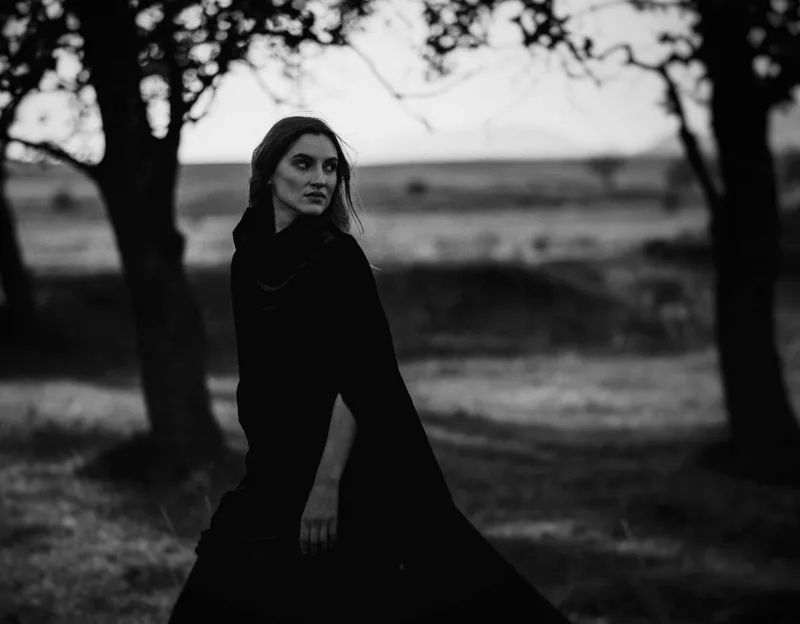
Samhain, celebrated on October 31st (yes, Halloween has ancient roots), marks the final transition into winter's realm. This is when Britain settles into its darker months, when the last leaves fall, when the year begins its descent into deep winter.
Samhain dressing embraces the drama of this transition. Deep purples that echo twilight skies, rich blacks that celebrate the lengthening nights, burgundies that capture the last of autumn's fire. This is the time for clothes with substance and mystery—velvet that seems to absorb light, wool that provides genuine comfort, silhouettes that create interesting shadows.
Winter Solstice: The Return of Light
The Winter Solstice in December marks the year's darkest moment, but also the promise of light's return. In Britain's grey December, this can feel more theoretical than actual, but there's something profound about acknowledging this ancient turning point.
Solstice dressing is about finding beauty in darkness while celebrating the promise of return. Deep blues that echo winter twilight, silvery greys that capture frost and mist, the occasional flash of gold or copper that hints at hidden fire. This is when your wardrobe can embrace drama and richness—fabrics with depth, colours with complexity, silhouettes that create their own sense of warmth.
Living in Harmony with Real Time
Following the Celtic calendar for wardrobe planning isn't about rigid rules—it's about developing a more intuitive relationship with the natural world and allowing that to inform how we dress. It's about recognising that Britain's climate and light have their own rhythm, one that's far more subtle and interesting than fashion's crude seasonal binary.
This approach to seasonal dressing becomes a form of mindfulness, a way of staying connected to the natural cycles that still shape our lives despite our urban environments. When you dress according to the real seasons rather than retail seasons, you're participating in something much older and deeper than fashion—you're acknowledging your place in the natural world.
Most importantly, dressing according to Britain's true seasonal rhythms means your wardrobe will actually make sense. No more shivering in spring collections during February's bitter winds, no more sweltering in autumn knits during September's Indian summers. Instead, you'll be dressed appropriately for what's actually happening outside your window—and isn't that a kind of magic in itself?