The Secret Society of Night Dressers
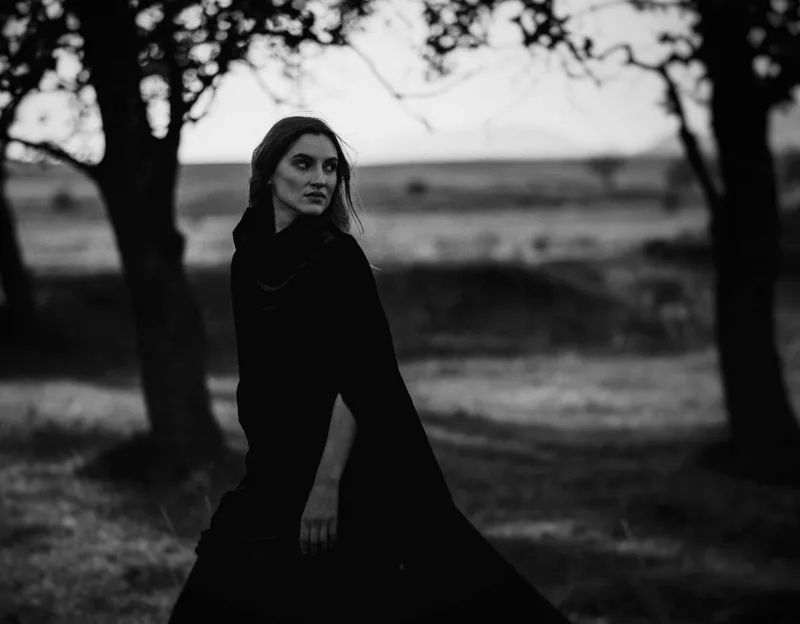
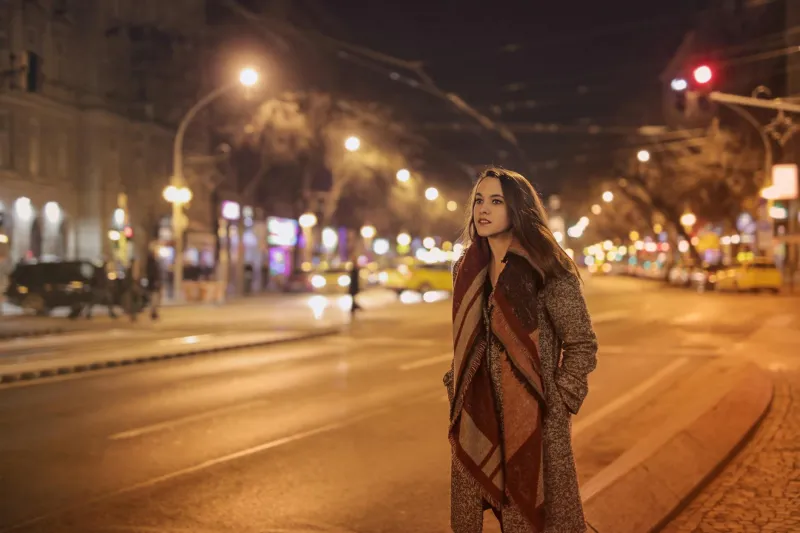
Whilst most of Britain sleeps, a different kind of fashion revolution unfolds in the shadows. From the cobbled streets of Edinburgh's Old Town to the neon-lit corners of Manchester's Northern Quarter, a new breed of style enthusiasts are creating wardrobes that exist purely for the nocturnal realm.
Meet the night dressers — individuals who've rejected the tyranny of nine-to-five fashion in favour of something far more enchanting. These aren't your typical party-goers hunting for Saturday night glamour. They're building entire collections around the magic that only emerges when daylight retreats.
"I started noticing how different fabrics behaved under street lamps versus natural light," explains Raven McKenzie, a textile artist from Glasgow whose midnight walks sparked an obsession with after-dark aesthetics. "Sequins that looked garish in daylight became like scattered stars. Velvet that seemed heavy and formal transformed into something mysterious and touchable."
The Fabric Alchemy of Darkness
The midnight wardrobe operates on entirely different principles from conventional fashion. Where day dressing prioritises practicality and professional presentation, night dressing embraces transformation and theatrical possibility.
Iridescent taffetas that catch the gleam of taxi headlights. Crushed velvets that absorb and reflect the amber glow of Victorian street lamps. Metallic threads woven through midnight-blue silks that shimmer like the Thames under moonlight. These aren't fabrics chosen for their durability or washability — they're selected for their ability to collaborate with artificial light.
London-based designer Ophelia Chen has built her entire label around this philosophy. Working from a converted warehouse in Hackney, she creates pieces specifically intended for the hours between 11pm and 5am.
"Daylight is honest, but artificial light is a co-conspirator," Chen explains, running her fingers along a jacket embedded with tiny mirrors. "When you understand how different light sources interact with different textures, you start designing for specific types of illumination. This jacket was created for the blue-white LED lights outside the Tate Modern. It would look completely ordinary in a coffee shop, but under those particular lights, it becomes armour made of starlight."
Beyond the Club Scene
This movement extends far beyond traditional nightlife fashion. The midnight wardrobe serves anyone whose life unfolds primarily after dark — shift workers walking home through empty city centres, insomniacs finding solace in 24-hour cafés, artists who do their best work when the world quiets down.
"There's something radical about dressing beautifully for an audience of streetlights and sleeping windows," says Dr. Sarah Pemberton, a cultural anthropologist at the University of Bath who's been documenting this trend. "It's fashion as personal ritual rather than social performance. These individuals are creating beauty for its own sake, not for Instagram or office presentations."
The midnight wardrobe also represents a rebellion against the increasingly casual nature of British fashion. Whilst the rest of the country embraces athleisure and work-from-home comfort, night dressers are doubling down on drama, texture, and intentional beauty.
The Independent Designers Leading the Charge
Across the UK, small independent designers are responding to this underground demand. In Liverpool, Moonchild Atelier creates cloaks lined with constellation patterns that only become visible under UV light. Brighton's Nocturne Studios specialises in garments that incorporate bioluminescent threads, literally glowing in the dark.
These aren't costume pieces or fancy dress — they're sophisticated garments designed for real wear by real people who happen to live their most authentic lives after sunset.
"The high street can't serve this market because they don't understand it," notes fashion journalist Marcus Thornfield, who's been chronicling the rise of midnight fashion for three years. "Chain stores design for the mythical average consumer going about their mythical average day. But night dressers aren't average. They're individuals who've chosen to live differently, and they need clothes that support that choice."
The Philosophy of Nocturnal Style
What emerges from conversations with midnight wardrobe enthusiasts is a coherent philosophy that views darkness not as the absence of light, but as a different kind of canvas entirely. They speak of "dressing for shadows" and "collaborating with artificial illumination" in ways that would sound pretentious if they weren't so genuinely passionate.
"During the day, we're all performing our socially acceptable selves," explains Luna Rodriguez, who runs midnight fashion walks through Birmingham's historic quarters. "But after dark, especially in the small hours, there's permission to be more mysterious, more theatrical, more yourself. The clothes become part of that transformation."
This isn't about shocking passersby or demanding attention — it's about creating personal magic in the liminal spaces where night meets city, where artificial light creates new kinds of beauty, and where getting dressed becomes an act of devotion to the extraordinary possibilities that emerge when most of the world isn't watching.
As Britain's cities never truly sleep and our night economies continue to grow, perhaps the midnight wardrobe isn't just a niche trend but a glimpse into fashion's future — one where beauty exists for its own sake, where texture and light collaborate to create wonder, and where getting dressed becomes a daily ritual of transformation rather than mere necessity.
After all, why should the sun have all the fun?